The Tele Clubs of Lanzarote
The Island's Best-Kept Secret
What Is a Tele Club?
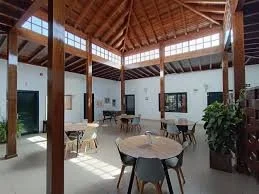
Across Lanzarote there are places that many visitors never notice.
They do not appear in glossy travel brochures.
They are rarely mentioned in restaurant guides.
Yet for generations they have been part of everyday life on the island.
They are called Tele Clubs.
Found in almost every village across Lanzarote, tele clubs were originally created as community spaces where local residents could gather to watch television together at a time when very few households owned a TV.
Over the years, their role evolved.
Today, most tele clubs operate as Centros Socio-Culturales — social and cultural centres that continue to play an important role in village life.
They are places where neighbours meet, local associations organise events, families celebrate special occasions and visitors can experience a more authentic side of Lanzarote.
Most also have a bar or restaurant, often serving simple Canarian dishes at remarkably reasonable prices.
But tele clubs are much more than places to eat.
They remain part of the social fabric of the island.
And perhaps that is exactly what makes them so special.
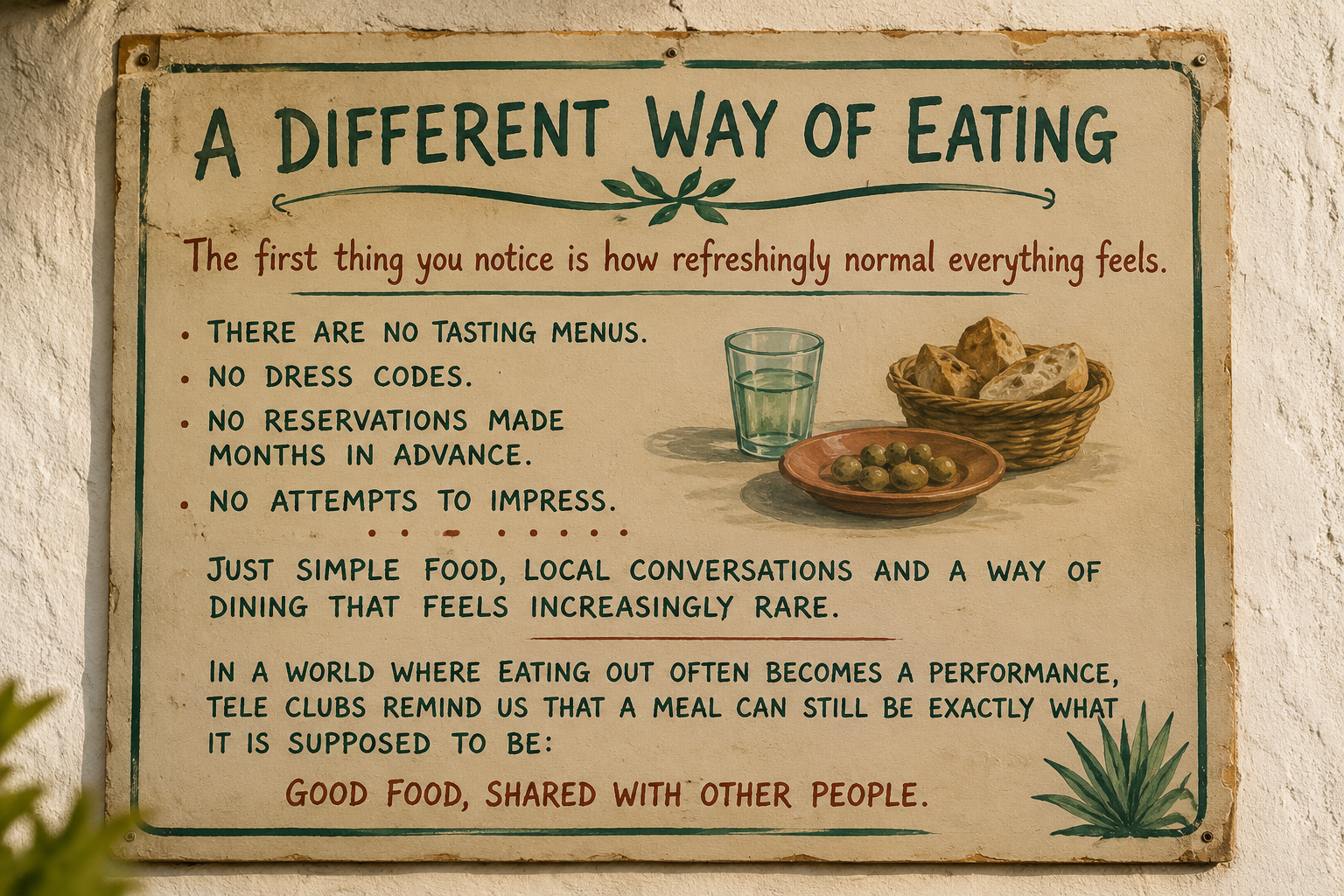
The first thing you notice is how refreshingly normal everything feels.
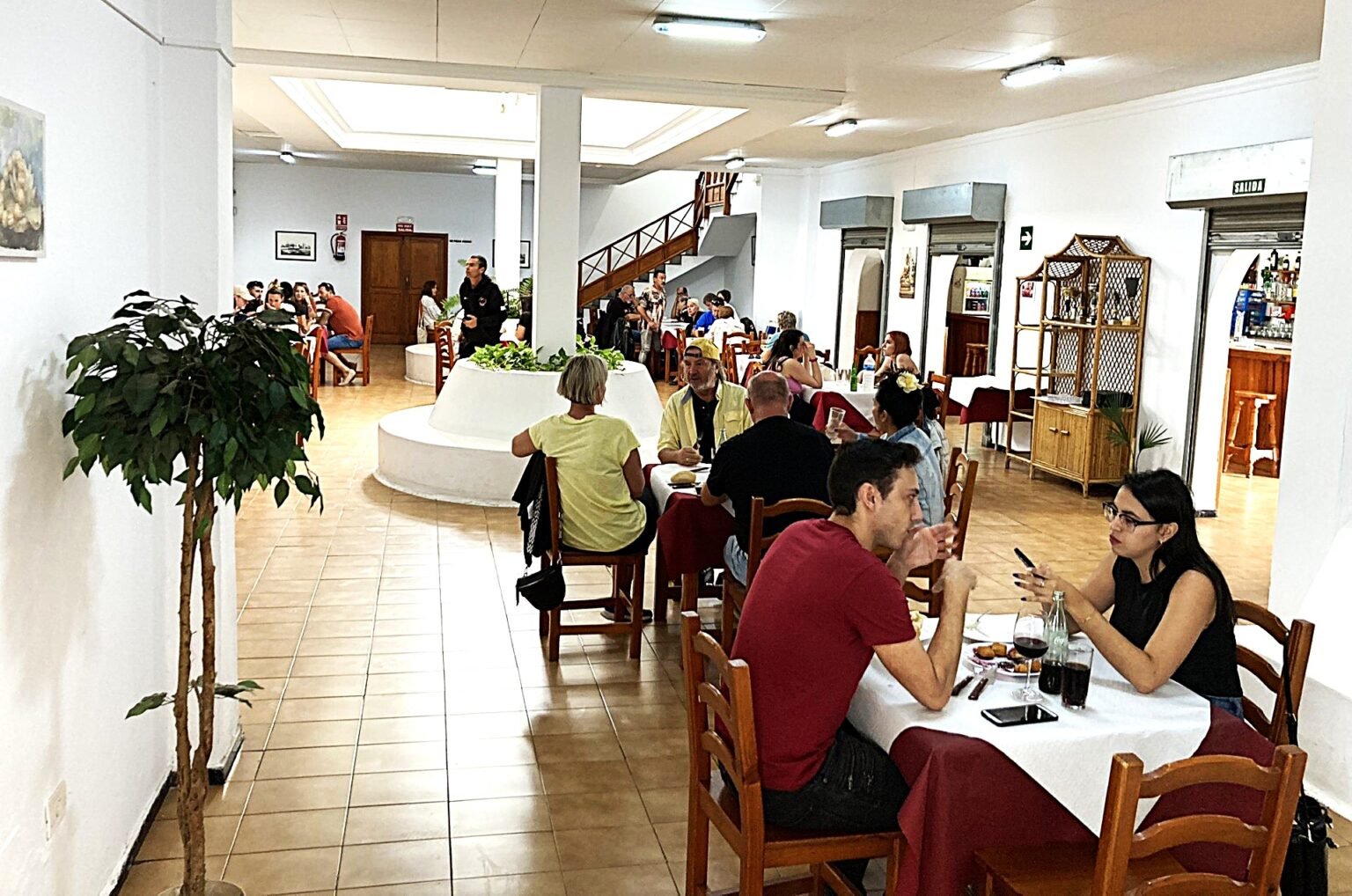
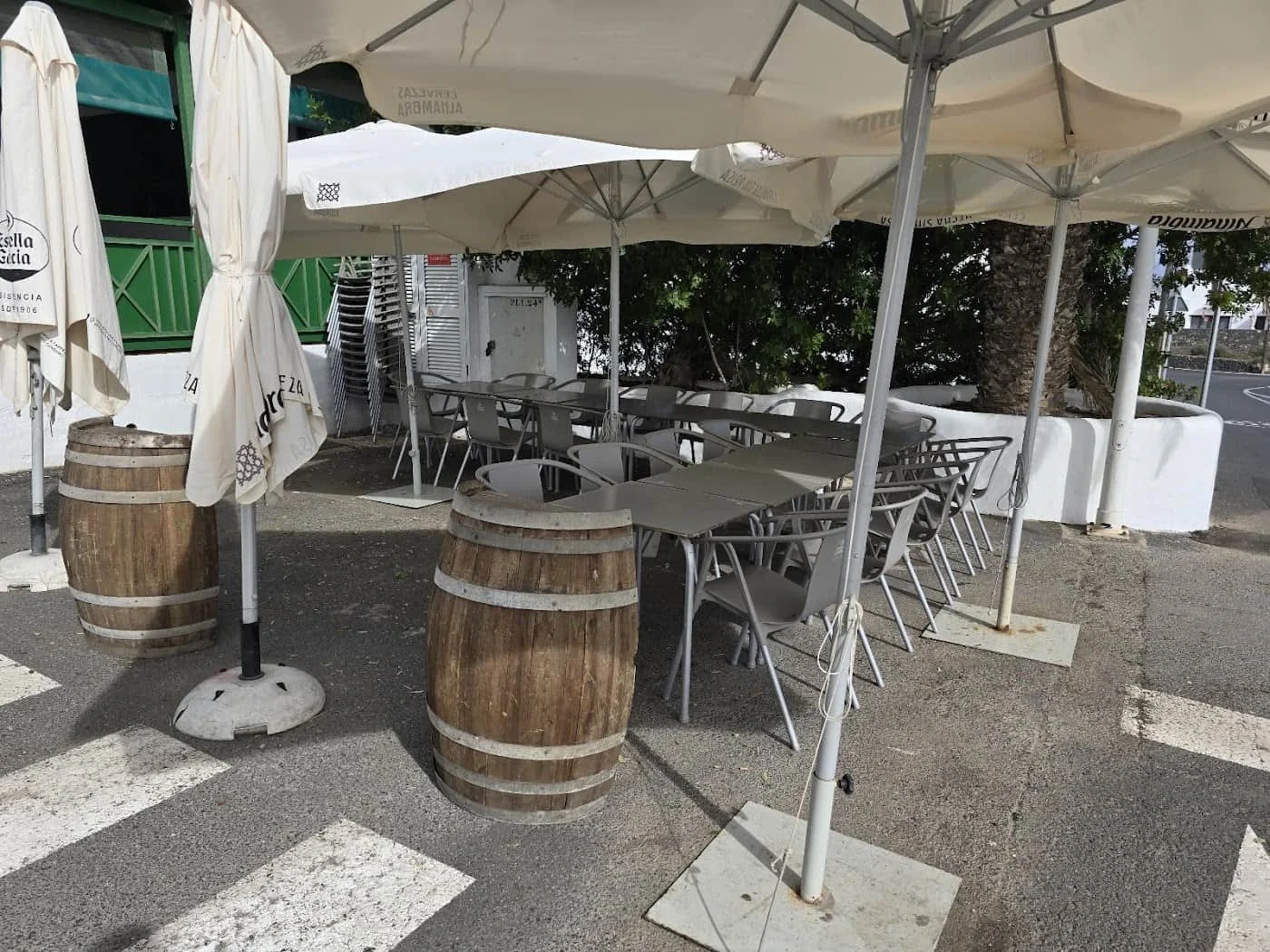
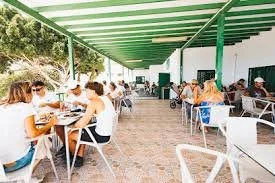
Tele Club Taiga, Guatiza
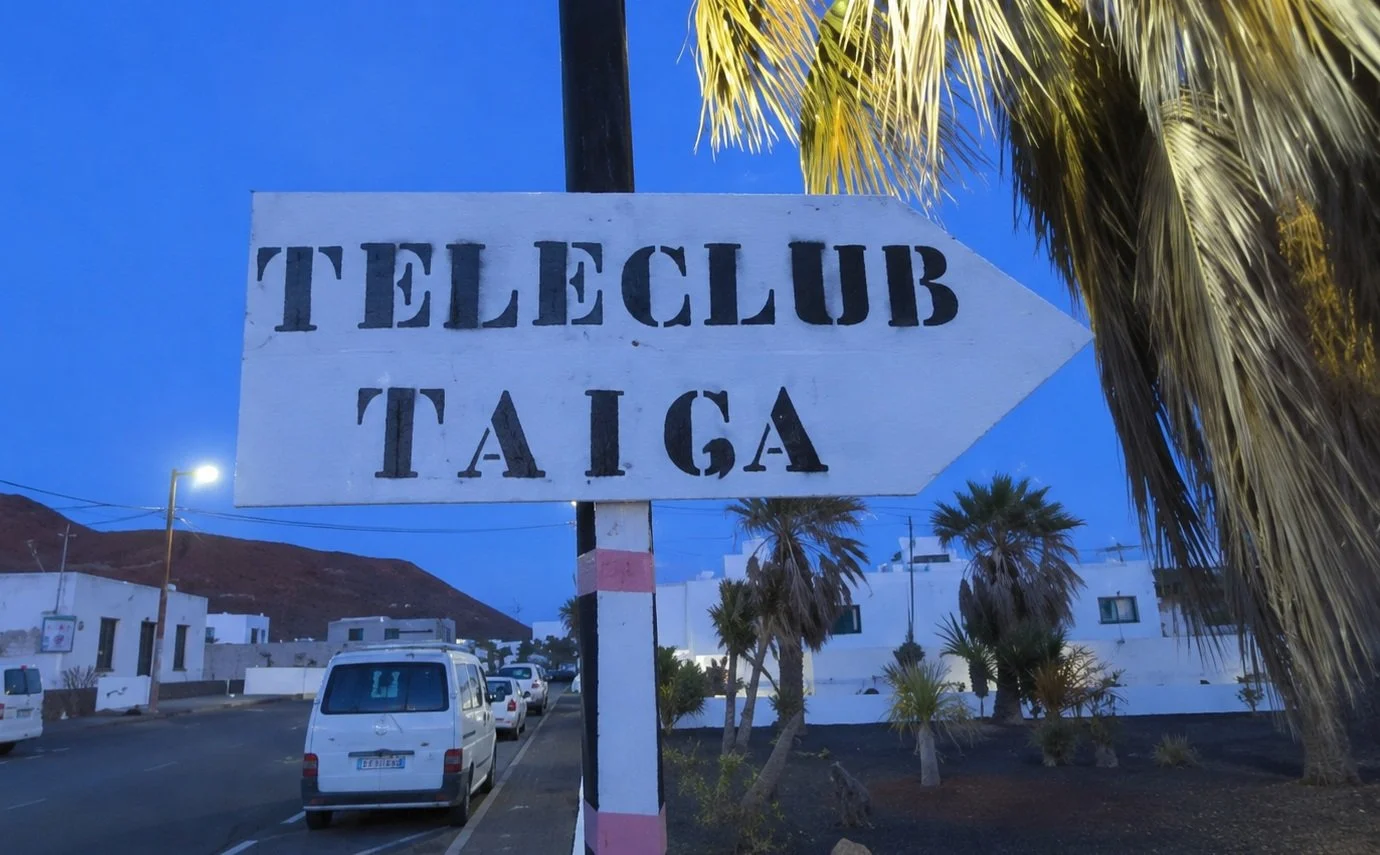
It is not necessarily the best tele club on the island. But it is ours.
Tele Club Tao
The one that reminds us how simple things can be beautiful.
Tele Club Mozaga
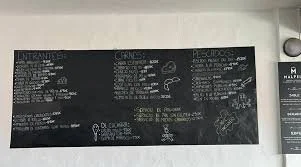
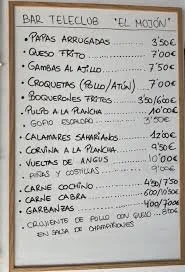
A simple terrace. A handwritten menu. A lunch that somehow lasts two hours.
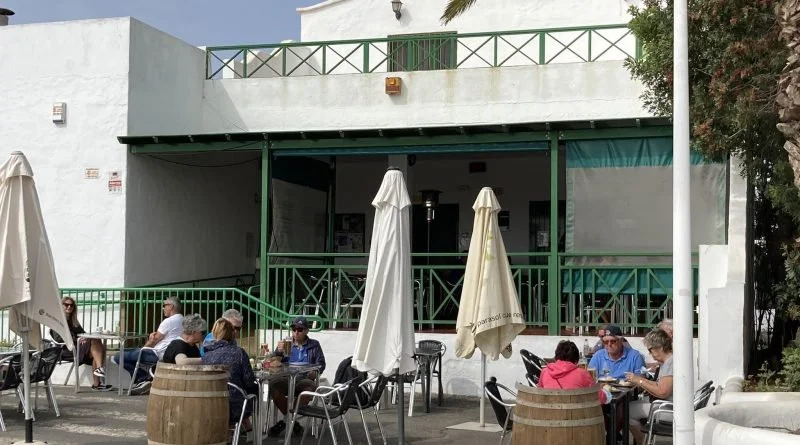
Tele Club El Mojón
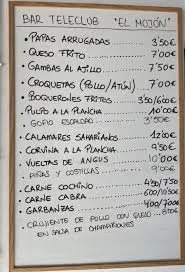
Some places seem untouched by time. El Mojón is one of them.
Tele Club Tahíche
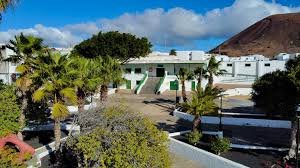
In Tahíche, the village is part of the experience. Sit down, slow down and watch everyday life pass by.
Tele Club Famara
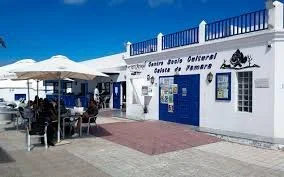
The ocean is never far away in Famara. You can feel it in the wind, in the light and in the relaxed atmosphere that surrounds the village.
Why We Keep Coming Back?
Not every tele club is the same.
Some overlook village squares.
Some sit by the ocean.
Some are known for seafood.
Others for simple local dishes.
What they all share is something increasingly rare.
They belong to the communities around them.
And if you come back a second or third time, something interesting often happens.
People start recognising you.
You are no longer just another visitor.
You become a familiar face.
If you know even a few words of Spanish — perhaps nothing more than "Hola" and "La carta, por favor" — conversations begin to appear naturally.
Sometimes the waiter will quietly tell you that a particular dish is not at its best today.
And that perhaps you should order something else instead.
Try finding that in a Michelin guide.
Perhaps that is why we keep returning.
Not because they are perfect.
Not because they are fashionable.
But because they remind us of a slower, more human side of Lanzarote.
A side of the island where people still have time for one another.
And one we are always happy to share with our guests.