When Lanzarote Begins to Glow
Fire, Ocean and the Night of San Juan in Lanzarote
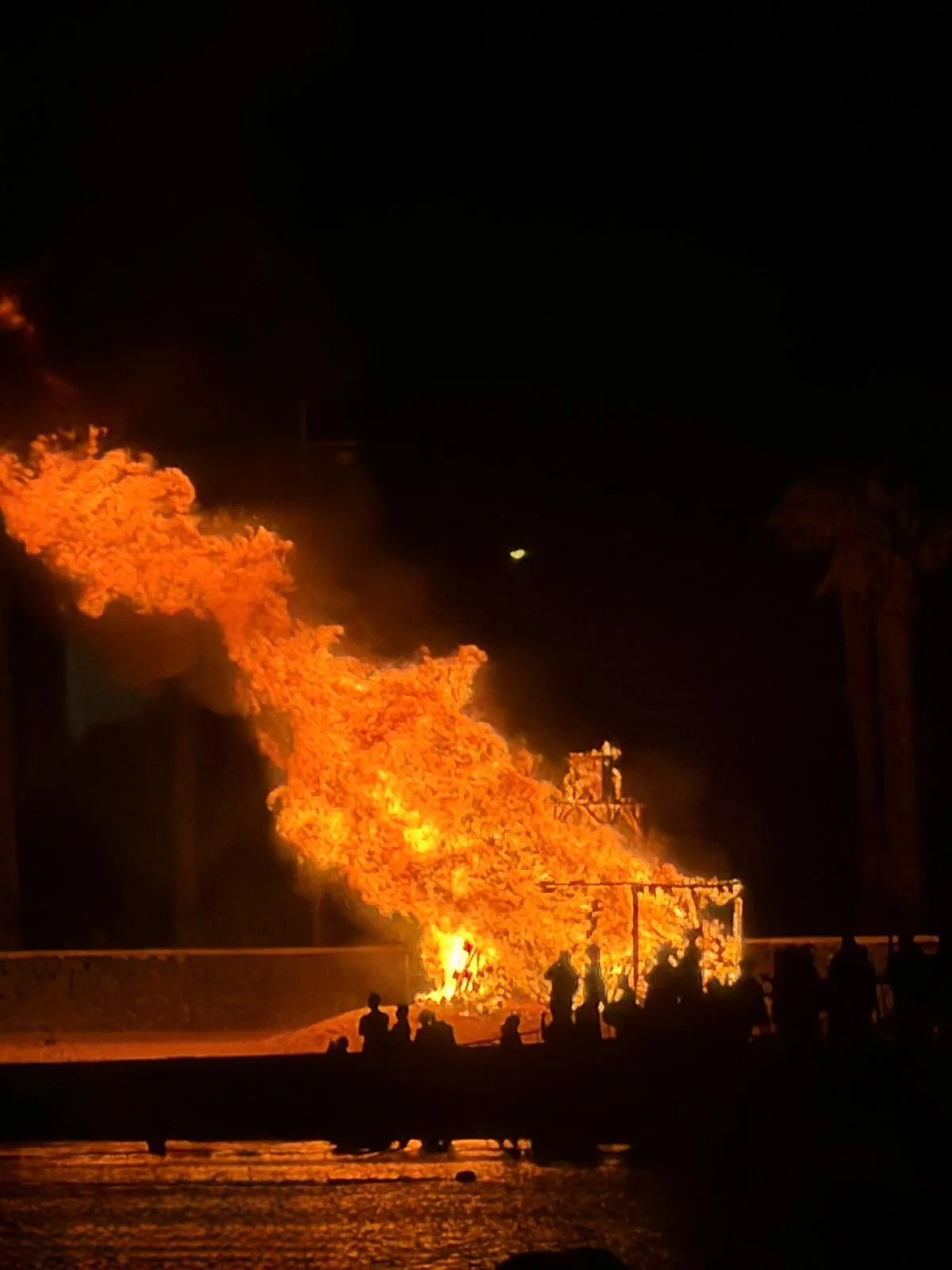
There is something extraordinary that happens in Lanzarote every year on the night of 23 June.
For most of the year, lighting a bonfire on the island is either prohibited or heavily restricted. Fire is something to be treated with respect here.
And then, for one night, everything changes.
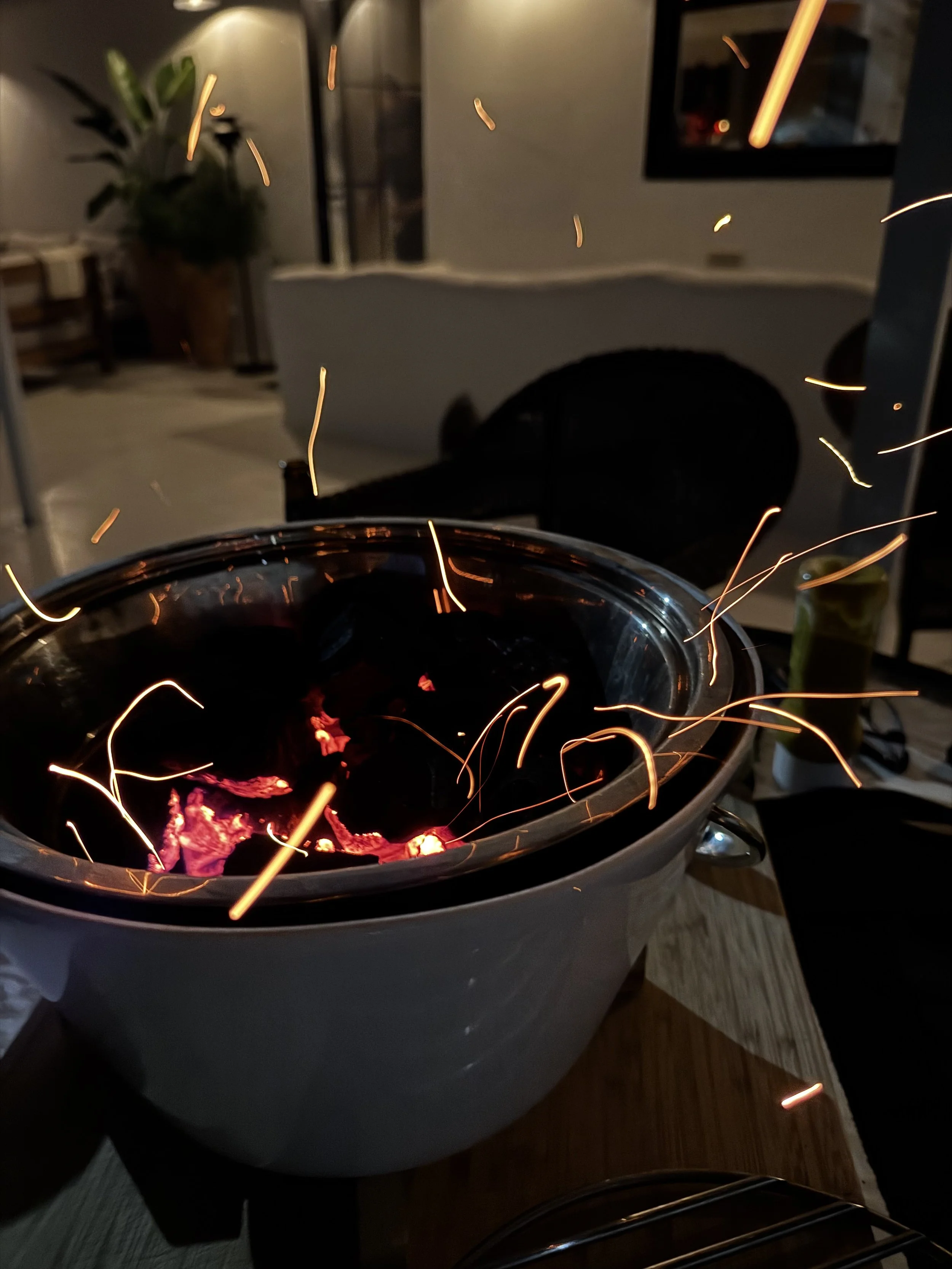
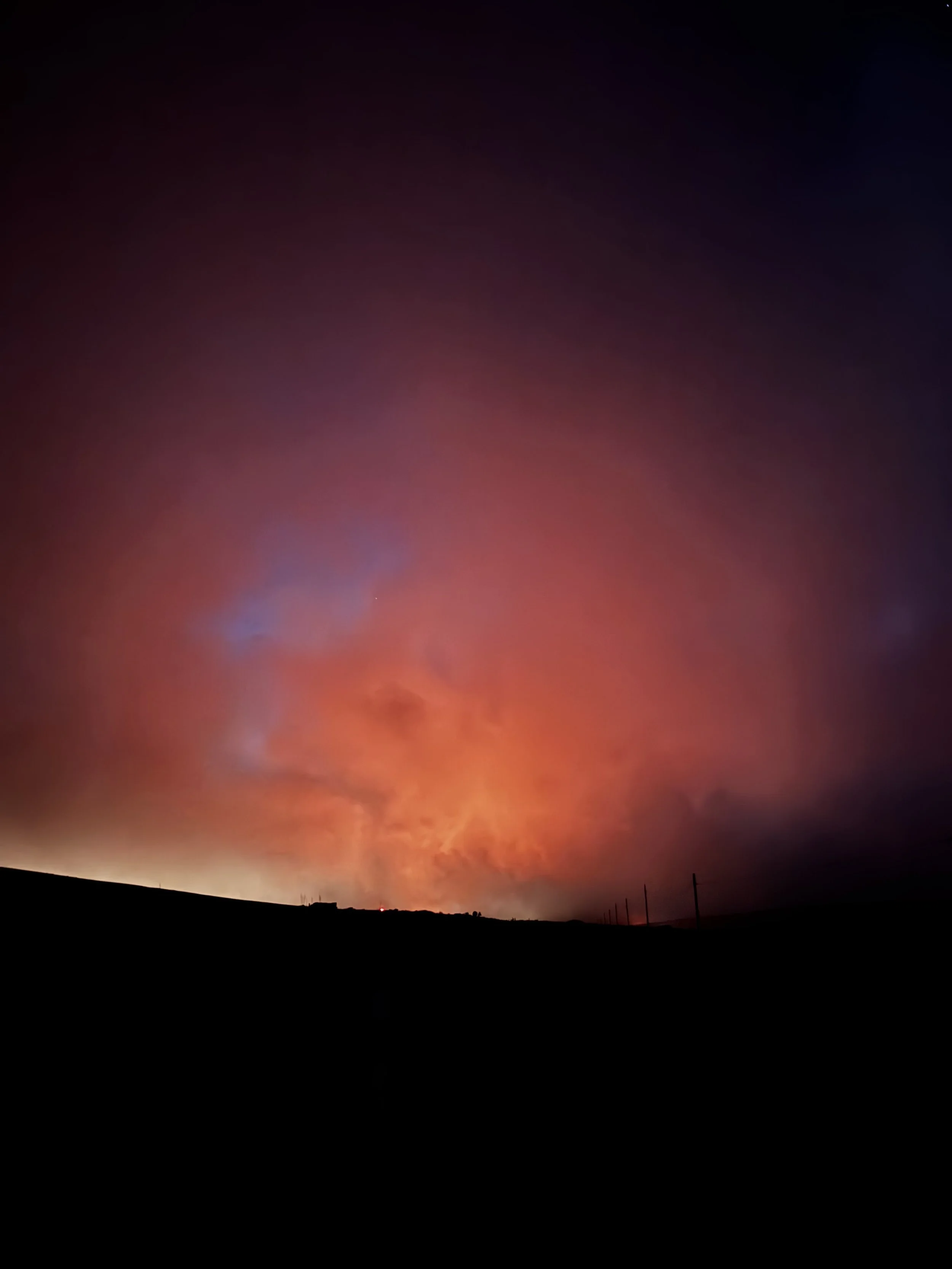
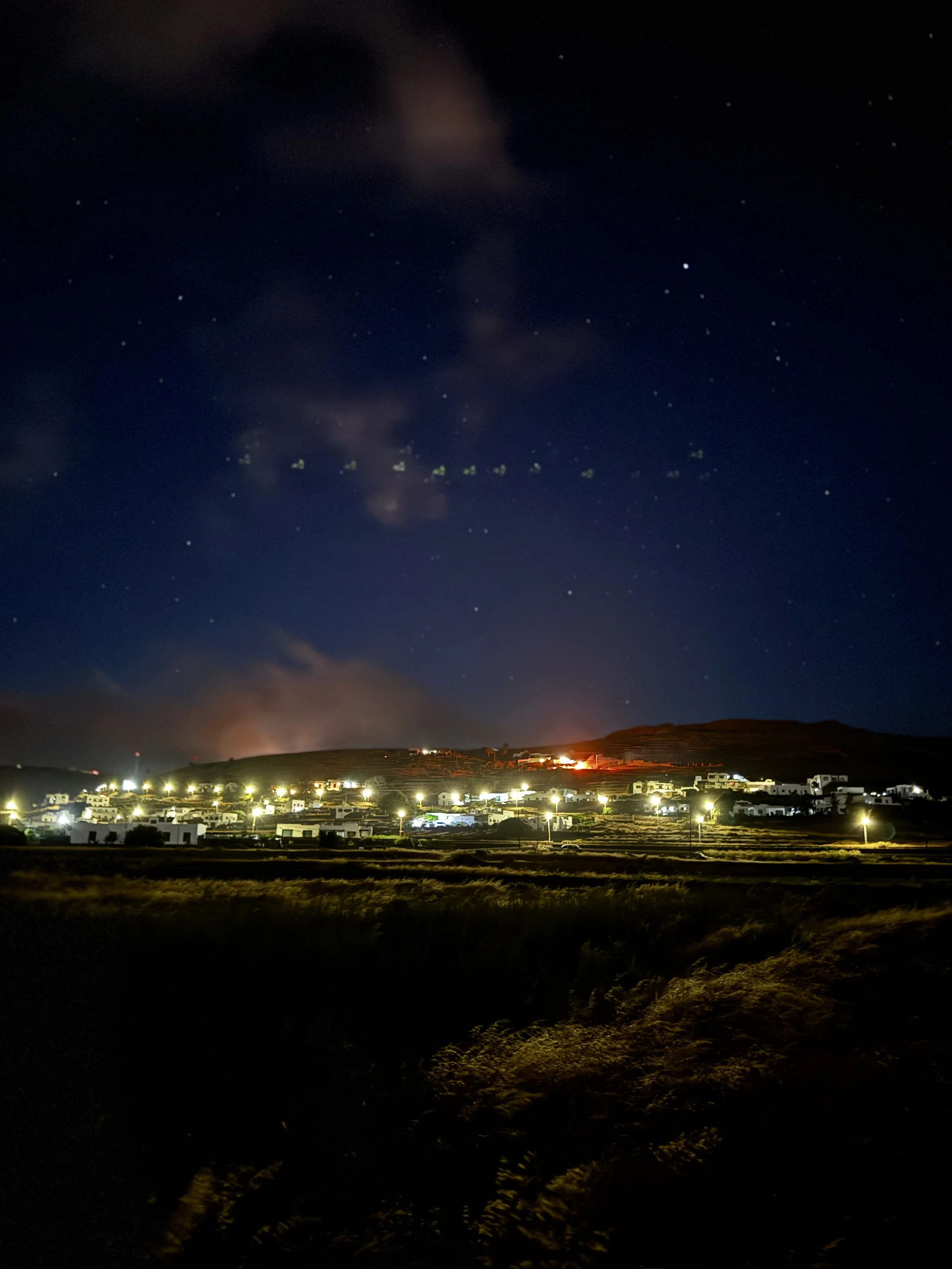
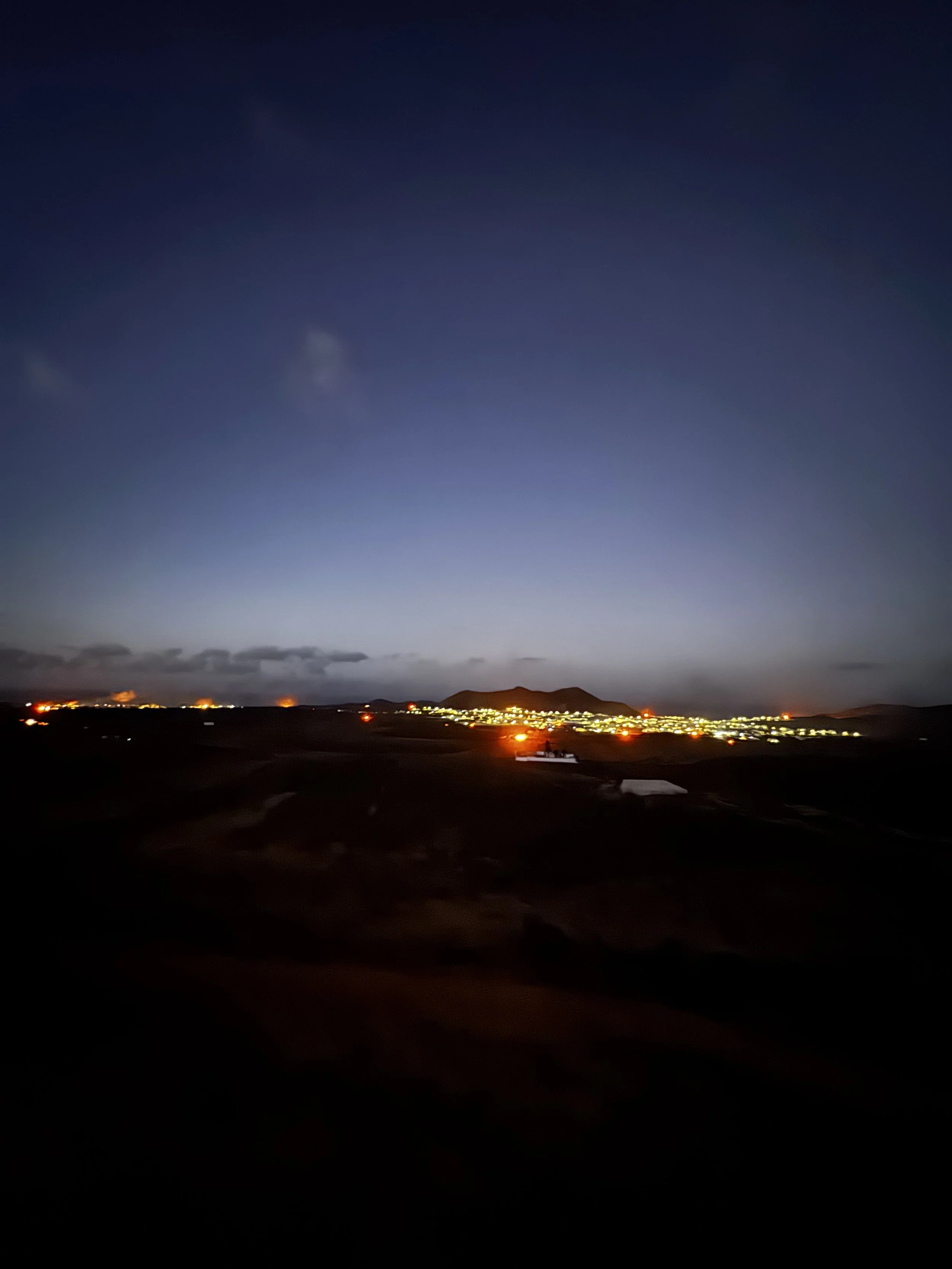
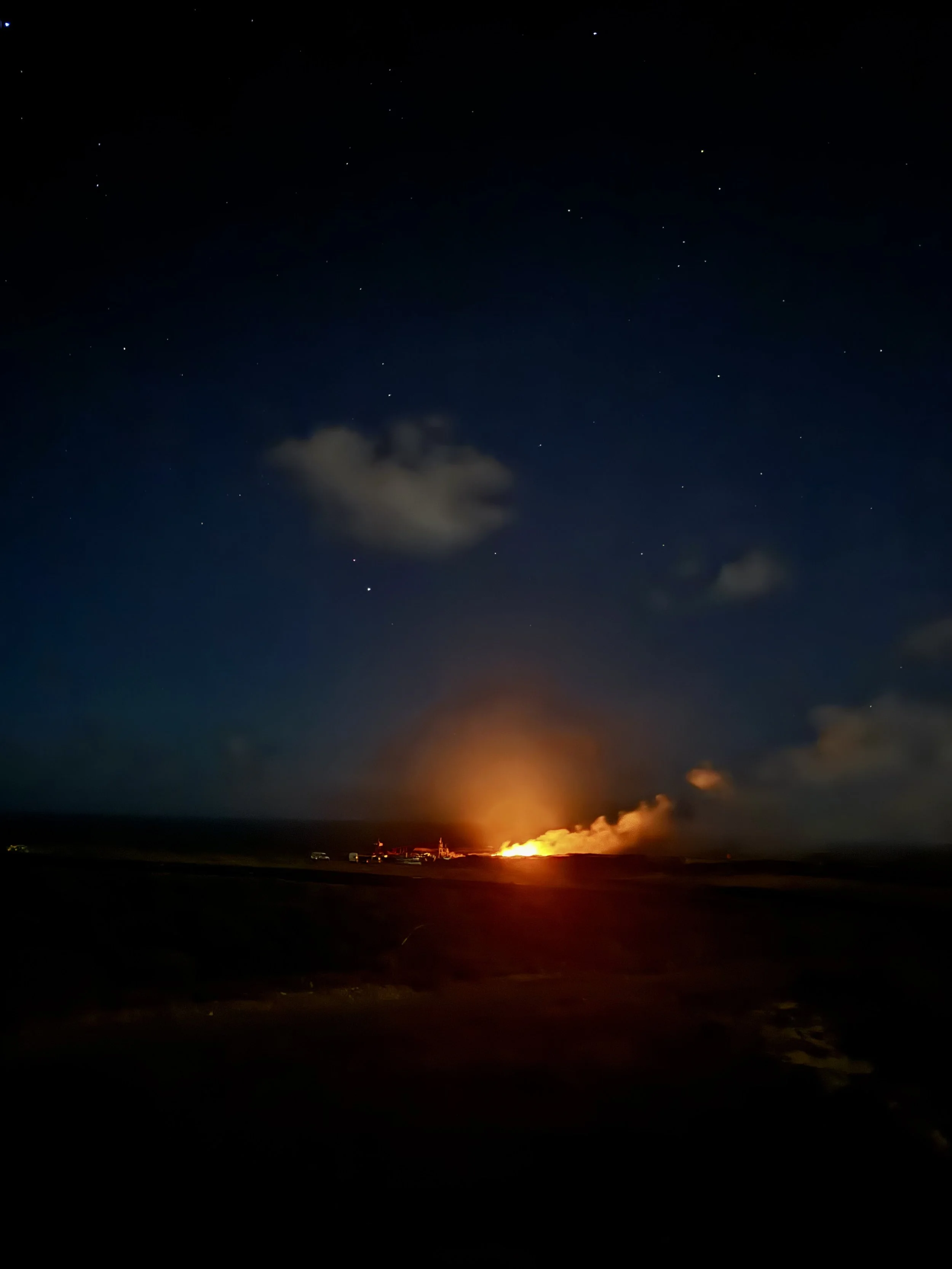
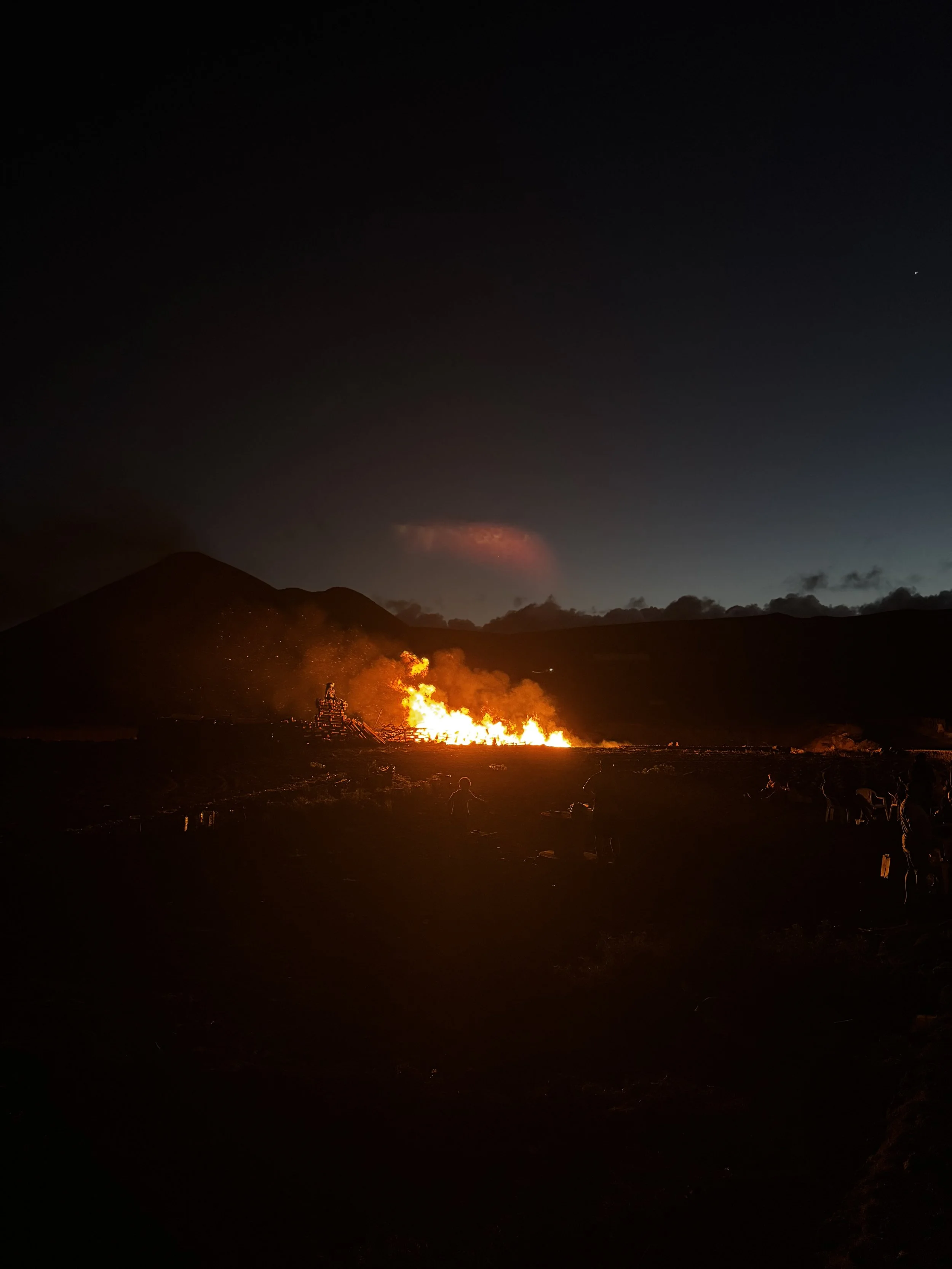
As darkness falls, small points of light begin to appear across the landscape.
On beaches.
In villages.
On fields between volcanic stone walls.
At first, there are only a few.
Then dozens.
Then hundreds.
From a distance, they look like stars that have fallen from the sky and landed across the island.
Most visitors associate San Juan with organised celebrations, concerts or fireworks.
But what fascinates us most happens away from the official events.
Especially in the villages of northern Lanzarote.
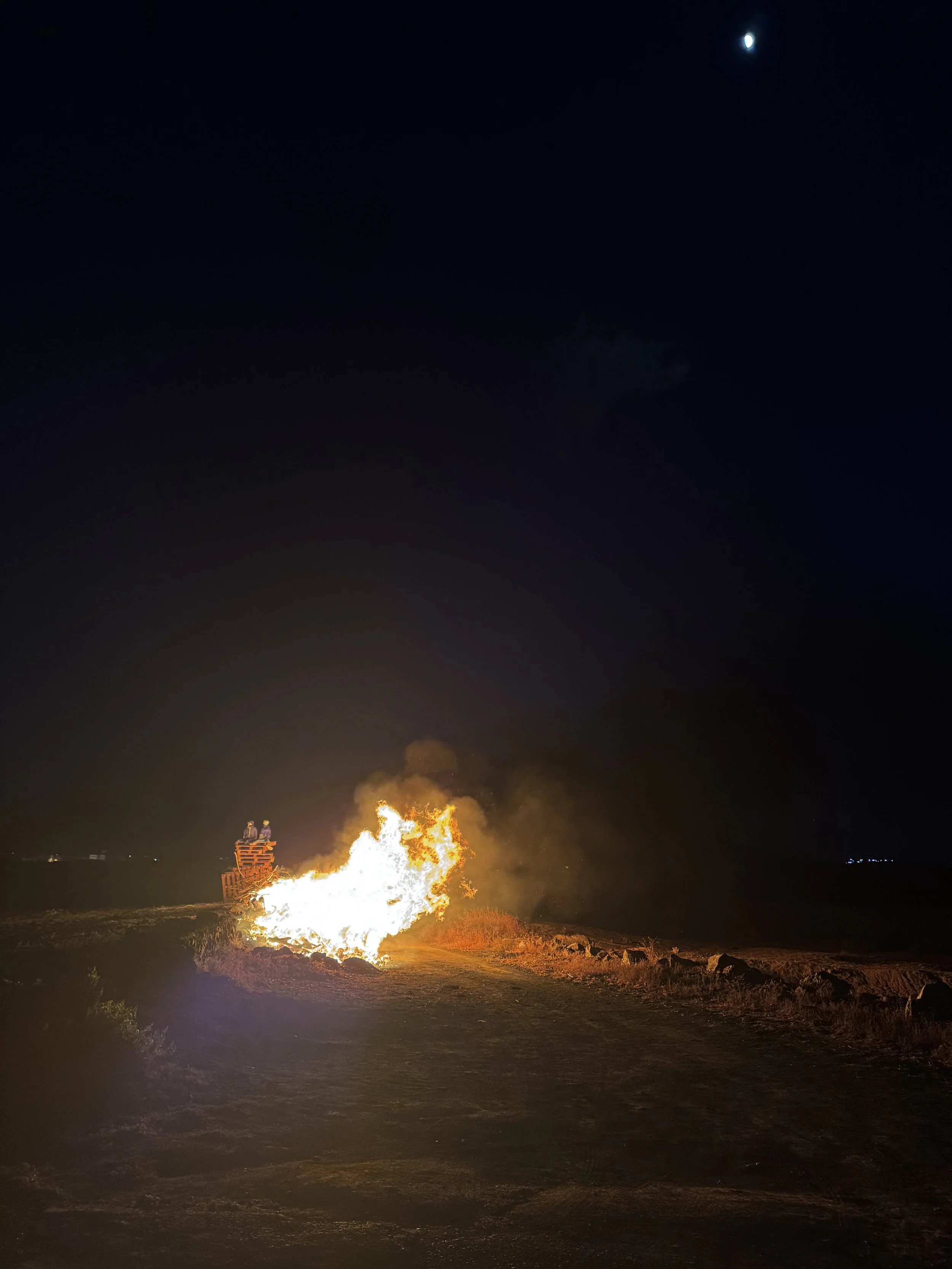
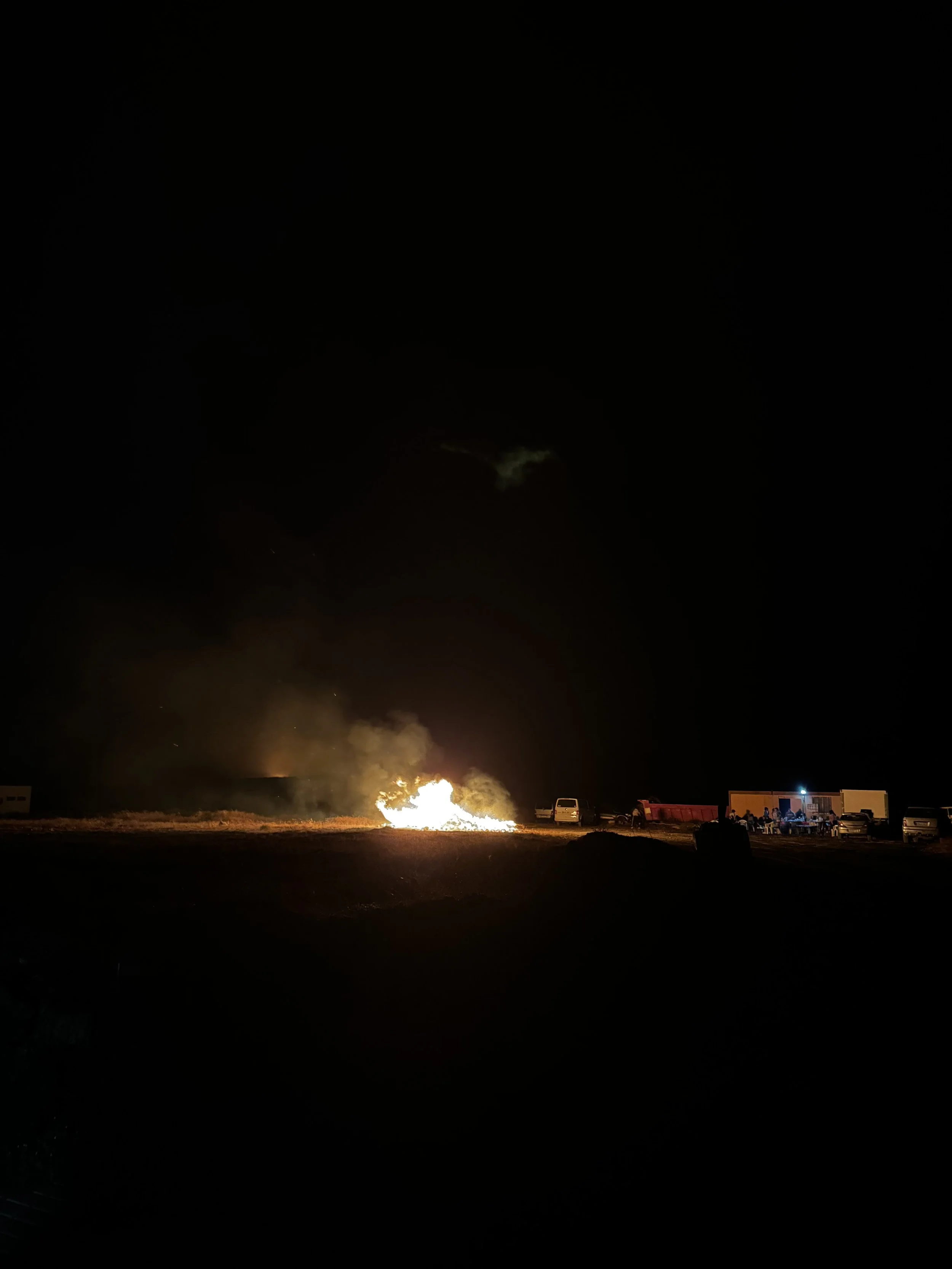
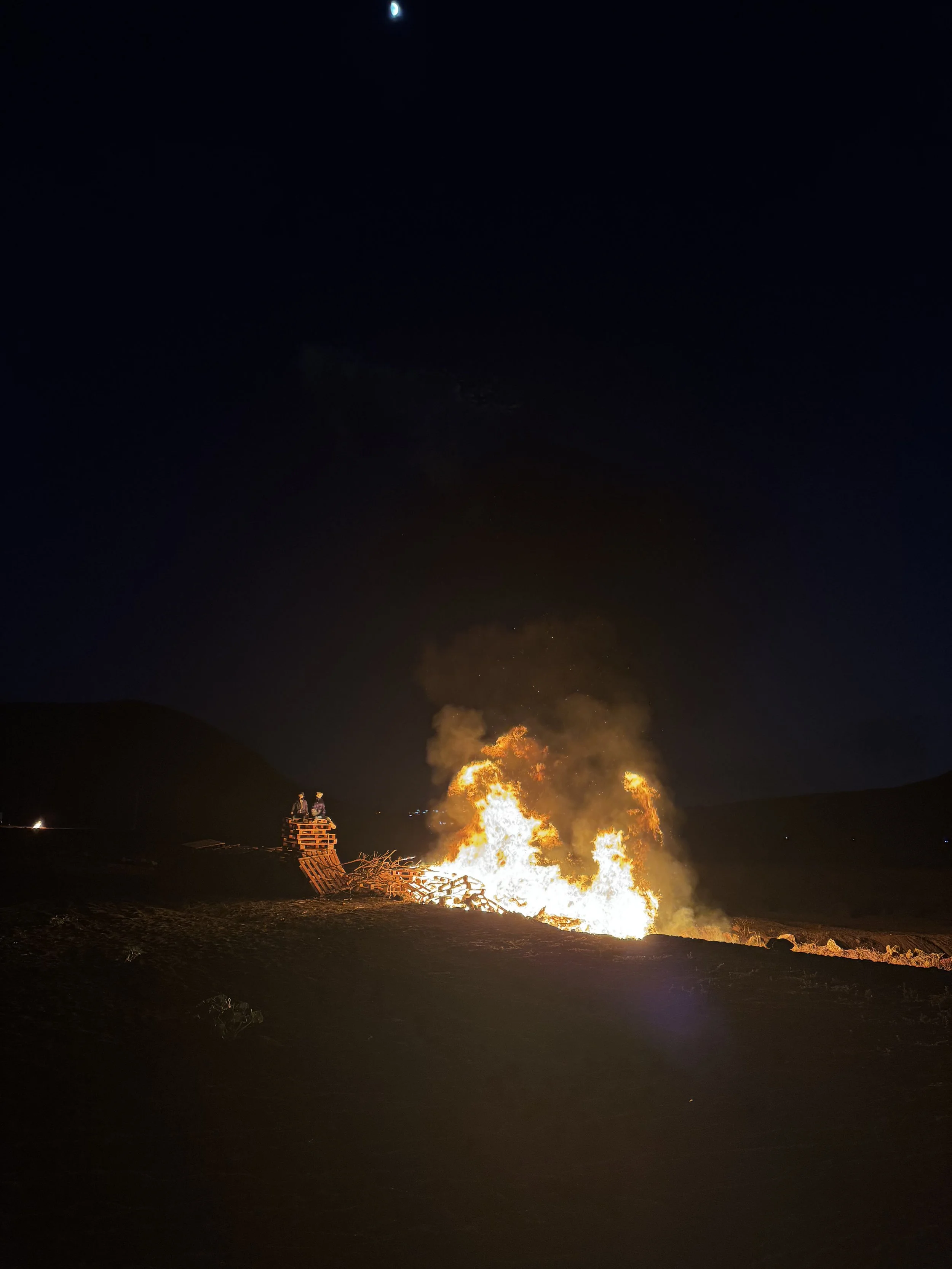
For days and sometimes weeks beforehand, people gather wood, branches and garden cuttings into enormous piles.
Then, on the shortest night of the year, they set them alight.
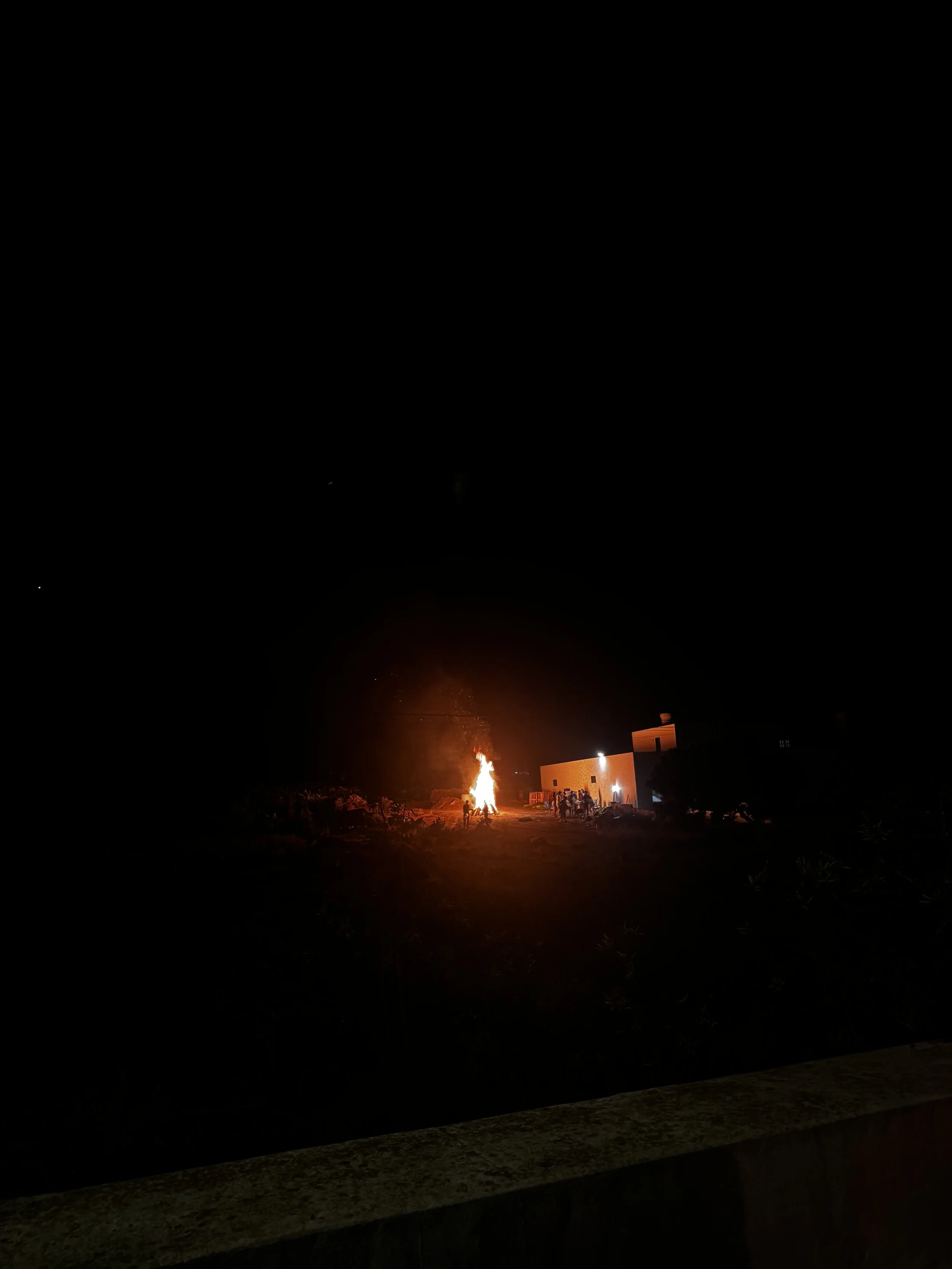
Families arrive carrying food.
Neighbours bring wine, beer and folding chairs.
Children run between the flames and the darkness.
People talk.
People laugh.
People stay long after sunset.
Some write wishes on small pieces of paper.
Others write down worries, regrets or things they want to leave behind.
The papers disappear into the fire.
Summer begins.
What always surprises us is the generosity.
We often spend the evening driving through the island, stopping wherever we see a fire glowing in the distance.
More than once, complete strangers have waved us over and invited us to join them for a drink.
No introductions.
No explanations.
Just an empty chair by the fire.
It feels like something from another time.
As if, for one evening, the whole island remembers that life is meant to be shared.
Perhaps that is why San Juan feels so natural in Lanzarote.
Fire created this island.
The Atlantic shaped its shores.
On the night of San Juan, people gather around one and return to the other.
First comes the fire.
Then the journey.
And finally, the ocean.
As midnight approaches, families, friends and neighbours begin making their way towards the coast.
The fires slowly fade behind them.
Cars appear on roads that are usually empty at night.
There are no crowds.
Just small groups scattered along the shoreline.
Waiting for midnight.
Some arrive with friends.
Some with family.
Some simply come alone.
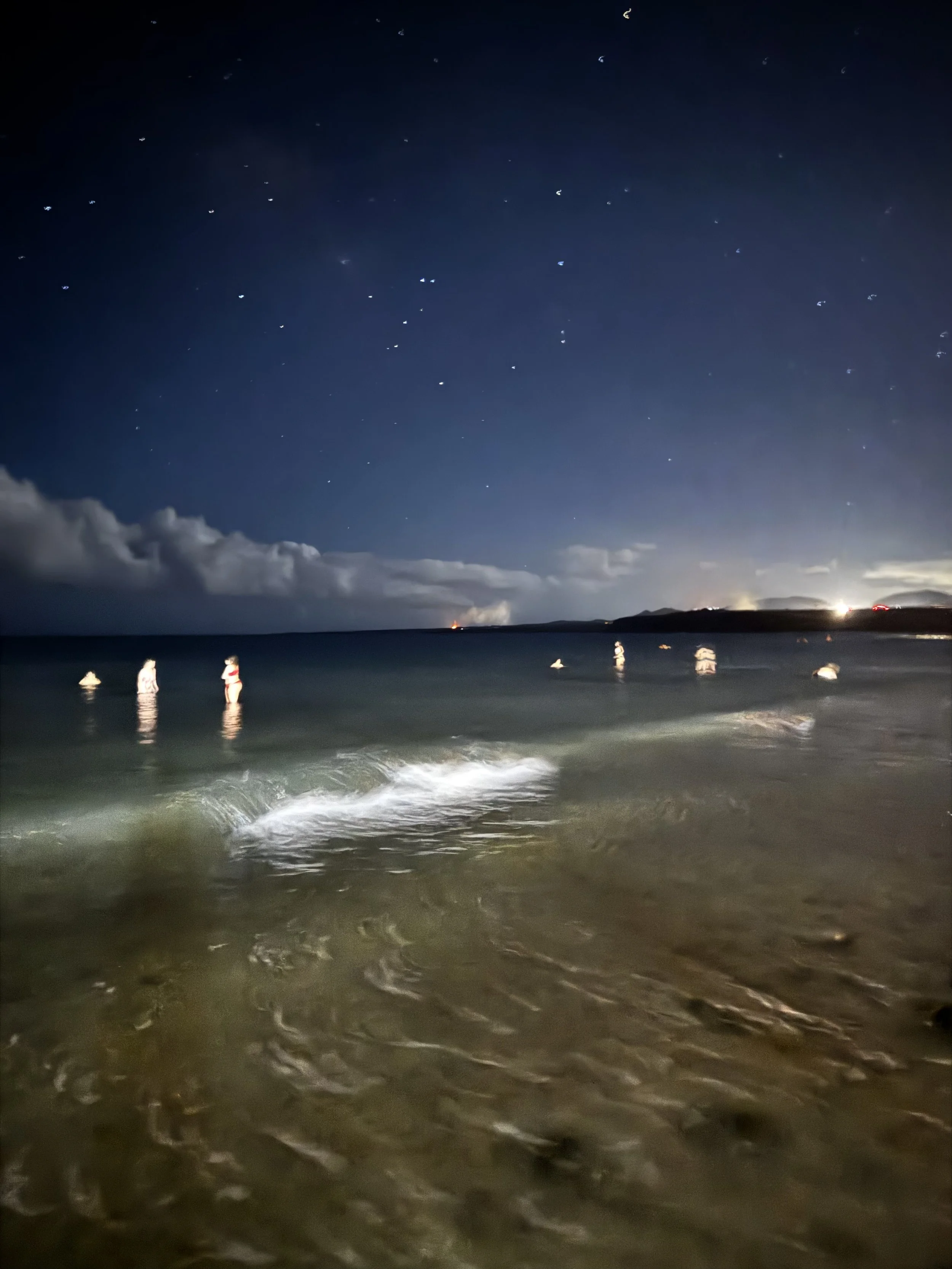
And when the moment comes, they walk into the Atlantic.
We do it too.
Every year.
Standing in the Atlantic in the middle of the night may sound slightly absurd.
And yet, on San Juan, it feels completely natural.
Perhaps because everyone around you is doing exactly the same thing.
People from different villages.
Different generations.
Different lives.
All brought together by the same tradition.
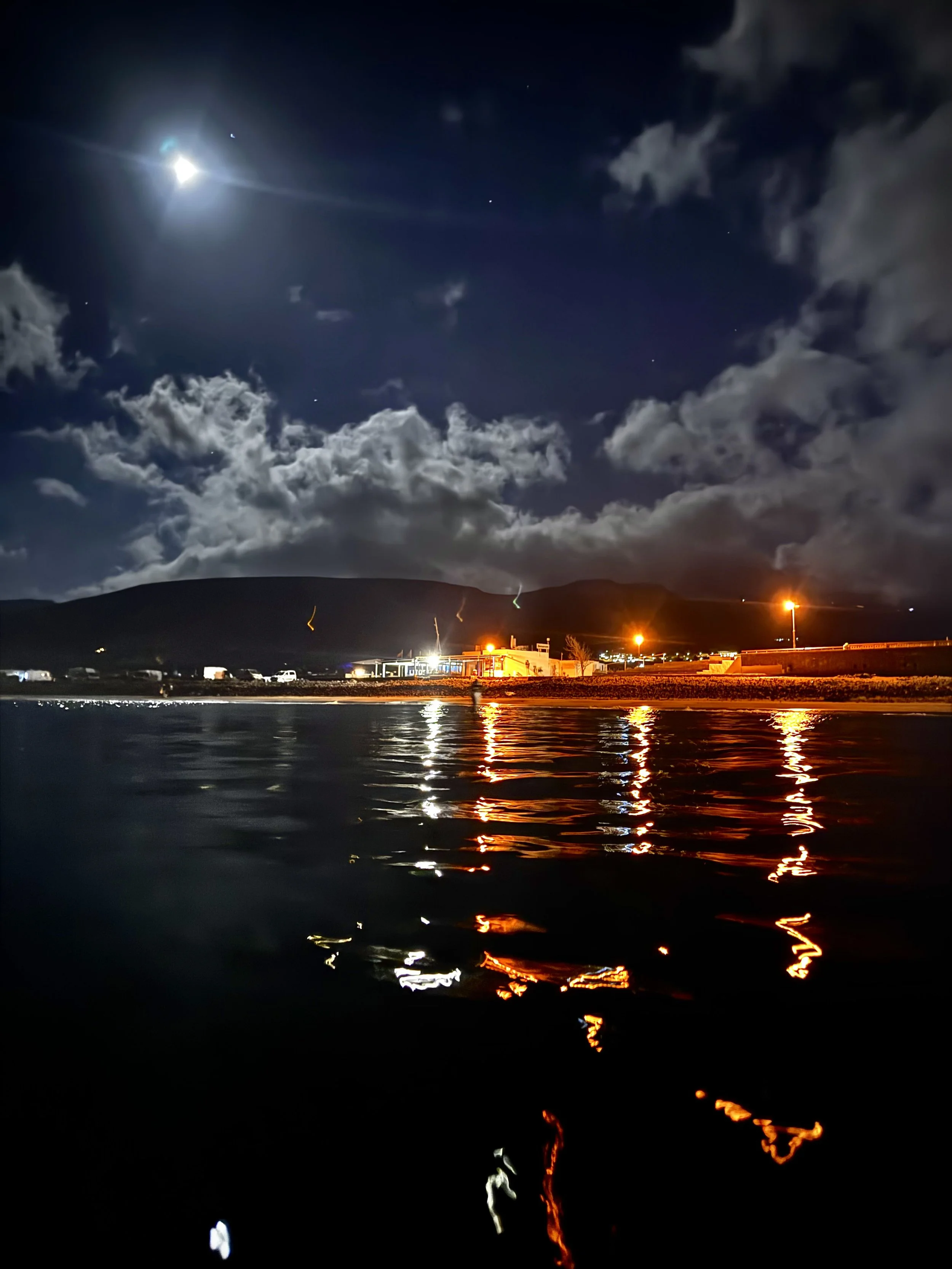
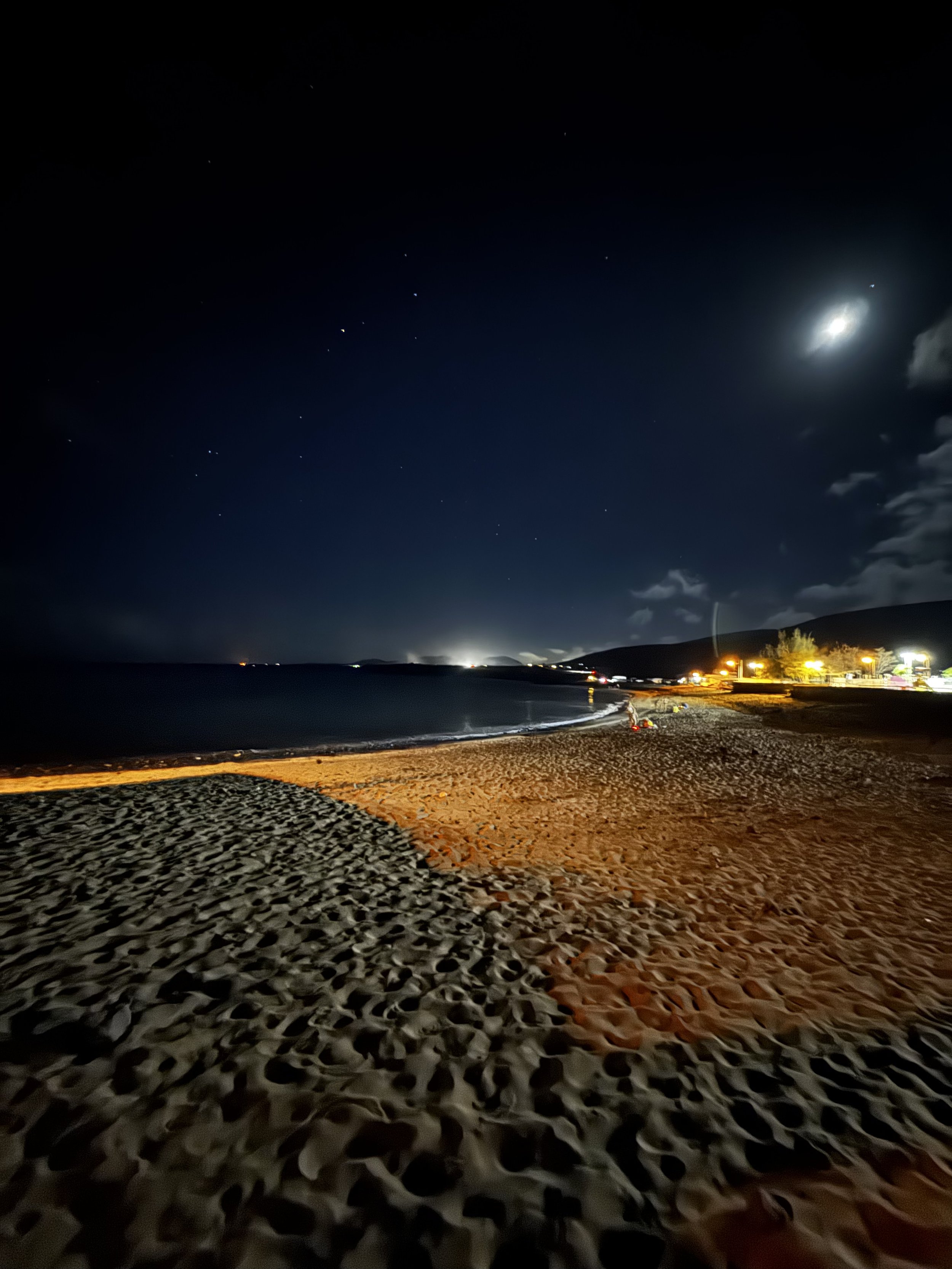
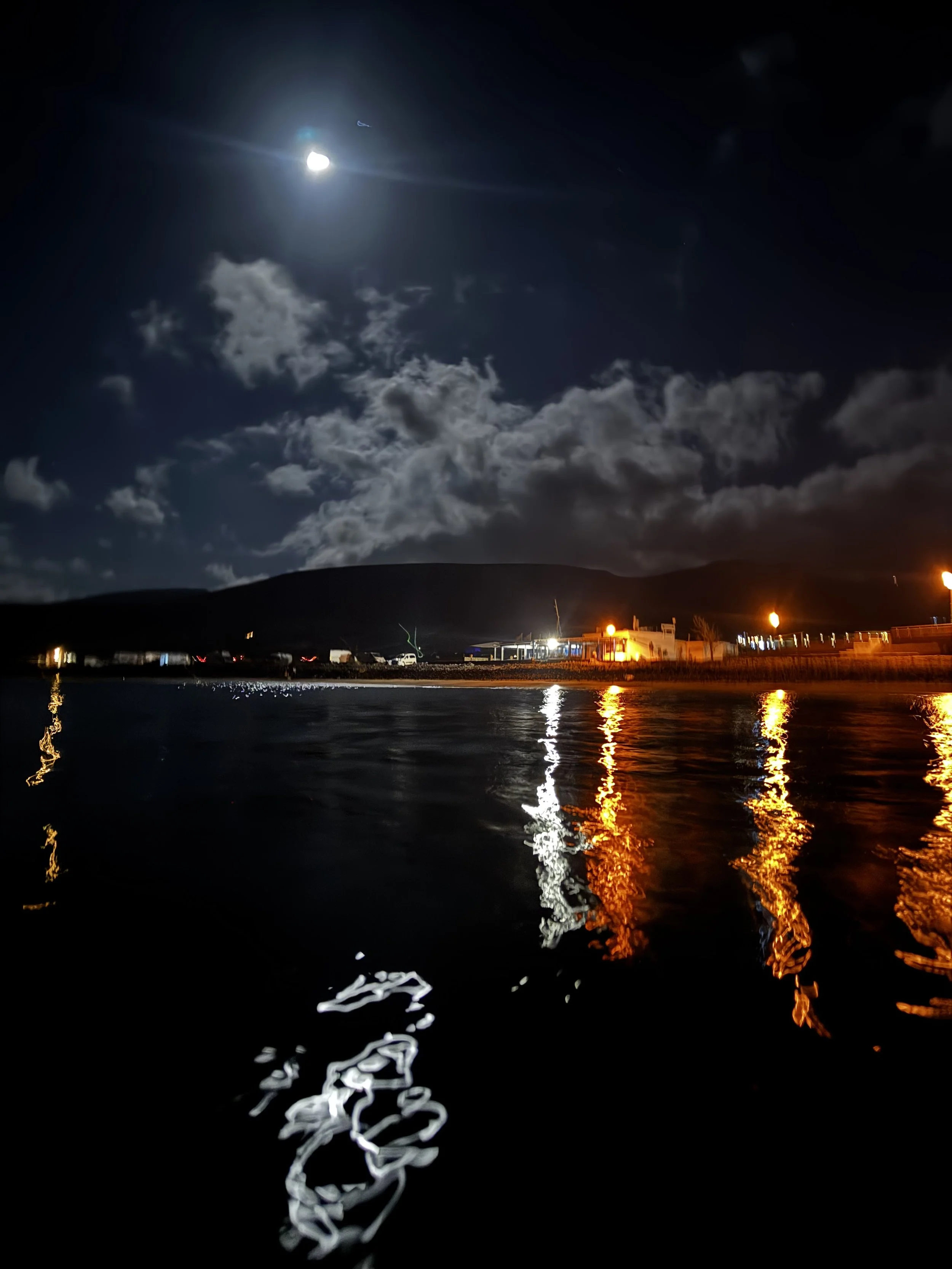
And when you look back towards the island, the sight is unforgettable.
A dark volcanic landscape.
A sky full of stars.
The last glowing embers scattered across the horizon.
And the Atlantic stretching endlessly into the night.
For a few hours, Lanzarote seems suspended between fire and ocean.
Between what we choose to leave behind and what we hope lies ahead.
And yet, the story does not quite end there.
By morning, the fires are gone.
The beaches are empty again.
The shortest night of the year has passed.
But one final tradition remains.
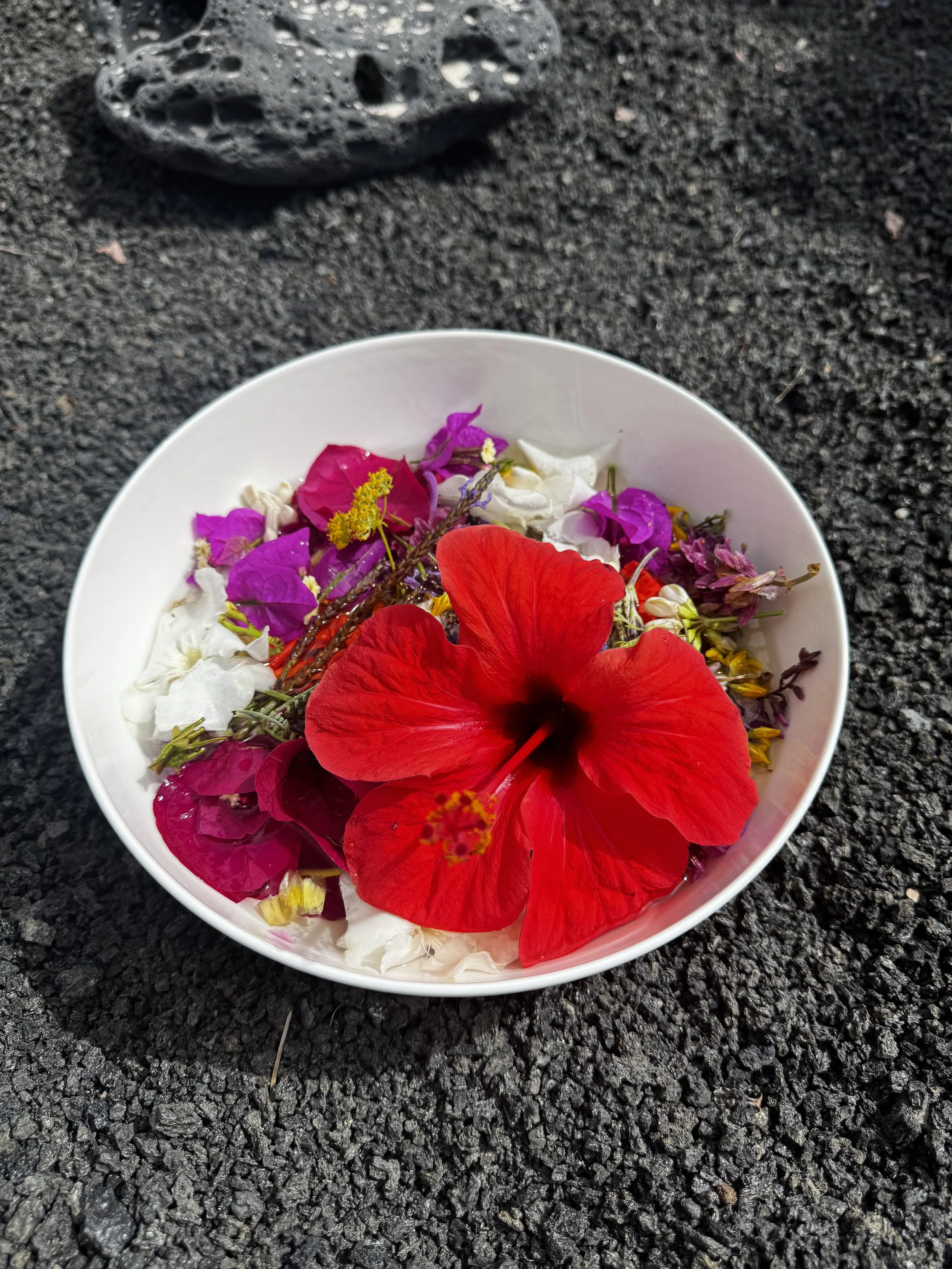
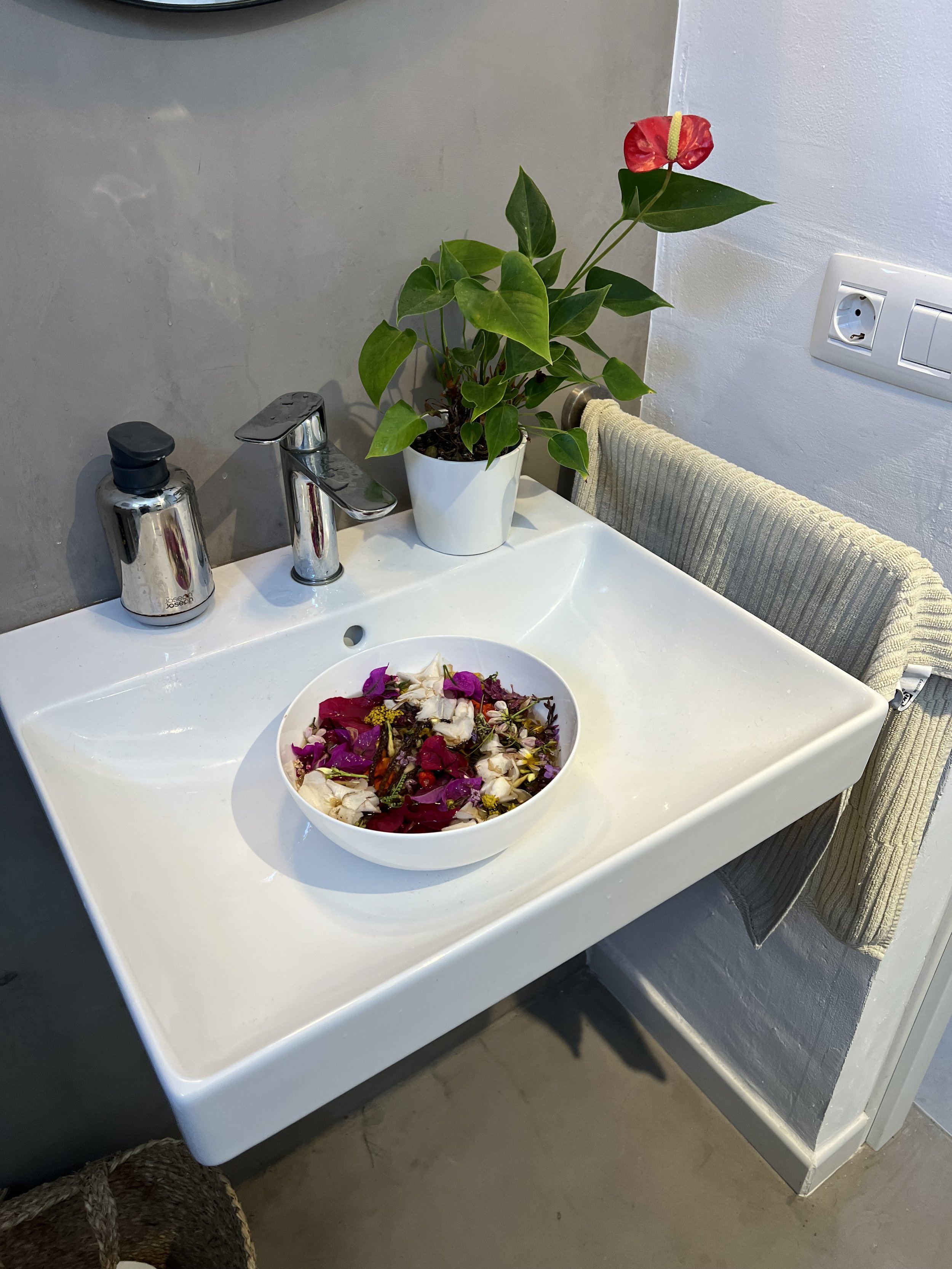
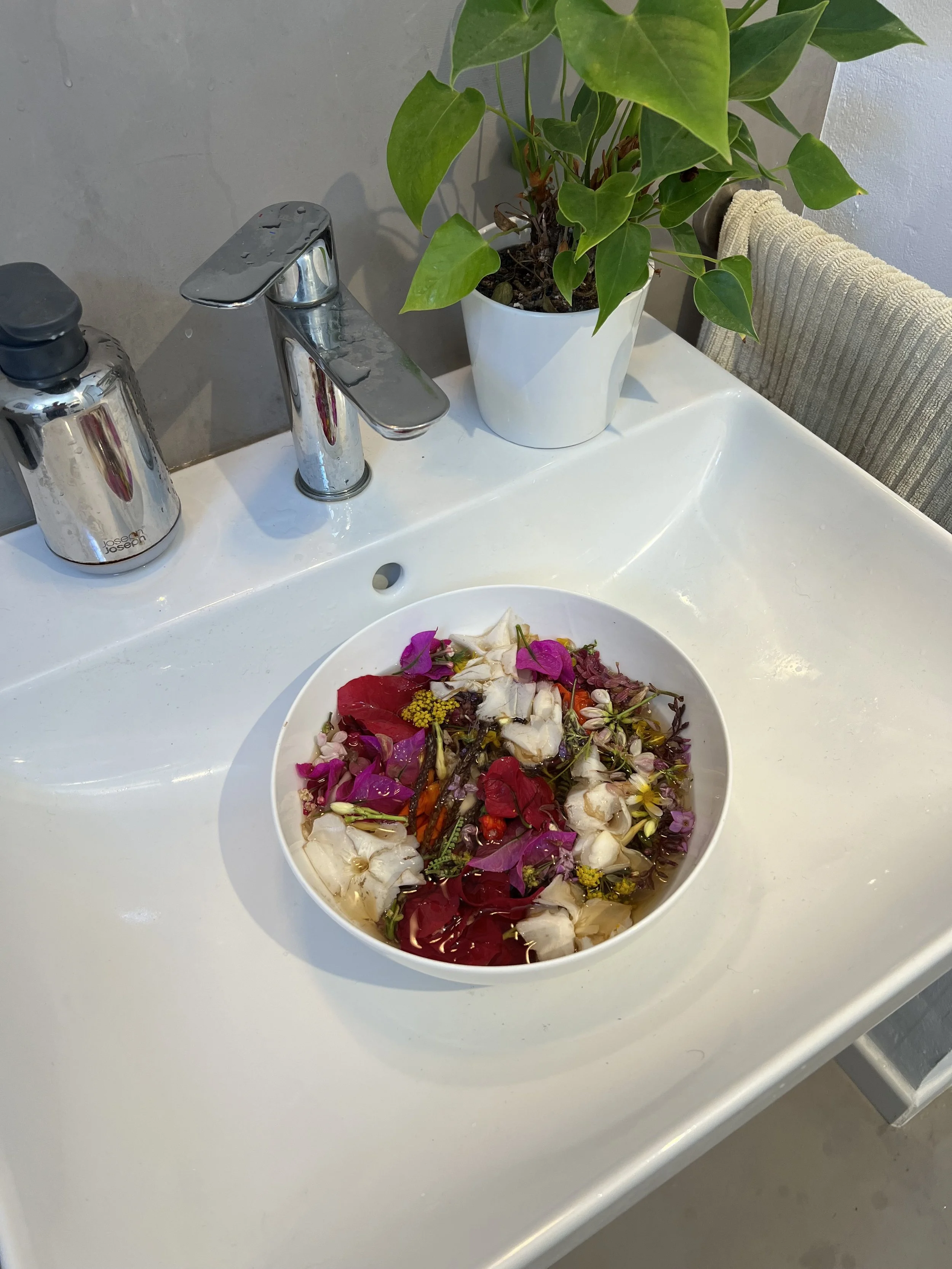
Earlier in the evening, flowers are gathered and left soaking in water throughout the night.
The bowl is placed outside beneath the moon and the stars.
Then, the following morning, people wash their faces with the water.
To become more beautiful, they say.
To bring good fortune.
To begin the summer well.
Whether it works or not is not really the point.
What matters is that traditions like these are still alive.
Passed from one generation to the next.
Connecting people to the island, to each other and to the changing seasons.
When we first experienced San Juan, it felt like a beautiful local tradition.
Something fascinating to observe.
Years later, it feels different.
We still speak Spanish with an accent.
But every year, we celebrate San Juan exactly the same way our neighbours do.
And perhaps belonging begins like that.