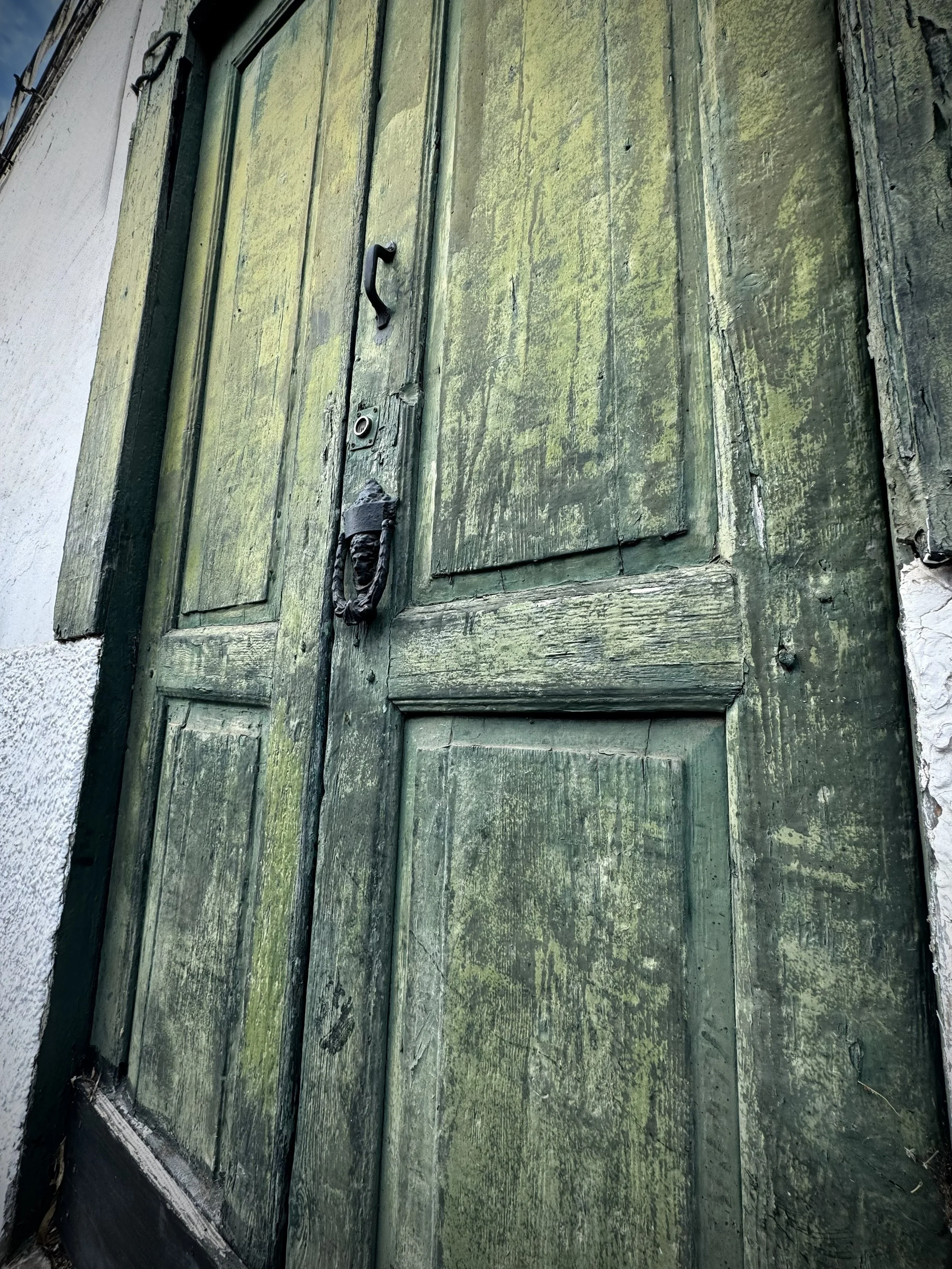
Lanzarote. Wabi-Sabi Island
Nature never learned how to be perfect. Fortunately.
Every Saturday morning, the main square in Haría changes completely.
Artisans unload pottery still carrying traces of clay. Someone hangs handmade jewellery. Another brings soaps scented with local herbs. Musicians begin to play while people stop, talk, dance or simply sit with a coffee. It doesn't feel like a market.
It feels like a village celebrating itself.
And yet, what caught my attention wasn't the music or the ceramics.
It was a single vegetable stall.
At first glance, nothing looked particularly beautiful.
The potatoes were twisted and still covered in soil. Tomatoes carried scars, different shapes and uneven colours. Aubergines weren't perfectly smooth. Peppers bent in every direction. Nothing resembled the flawless vegetables we have become used to seeing in supermarkets.
They would probably never appear in an advertising campaign.
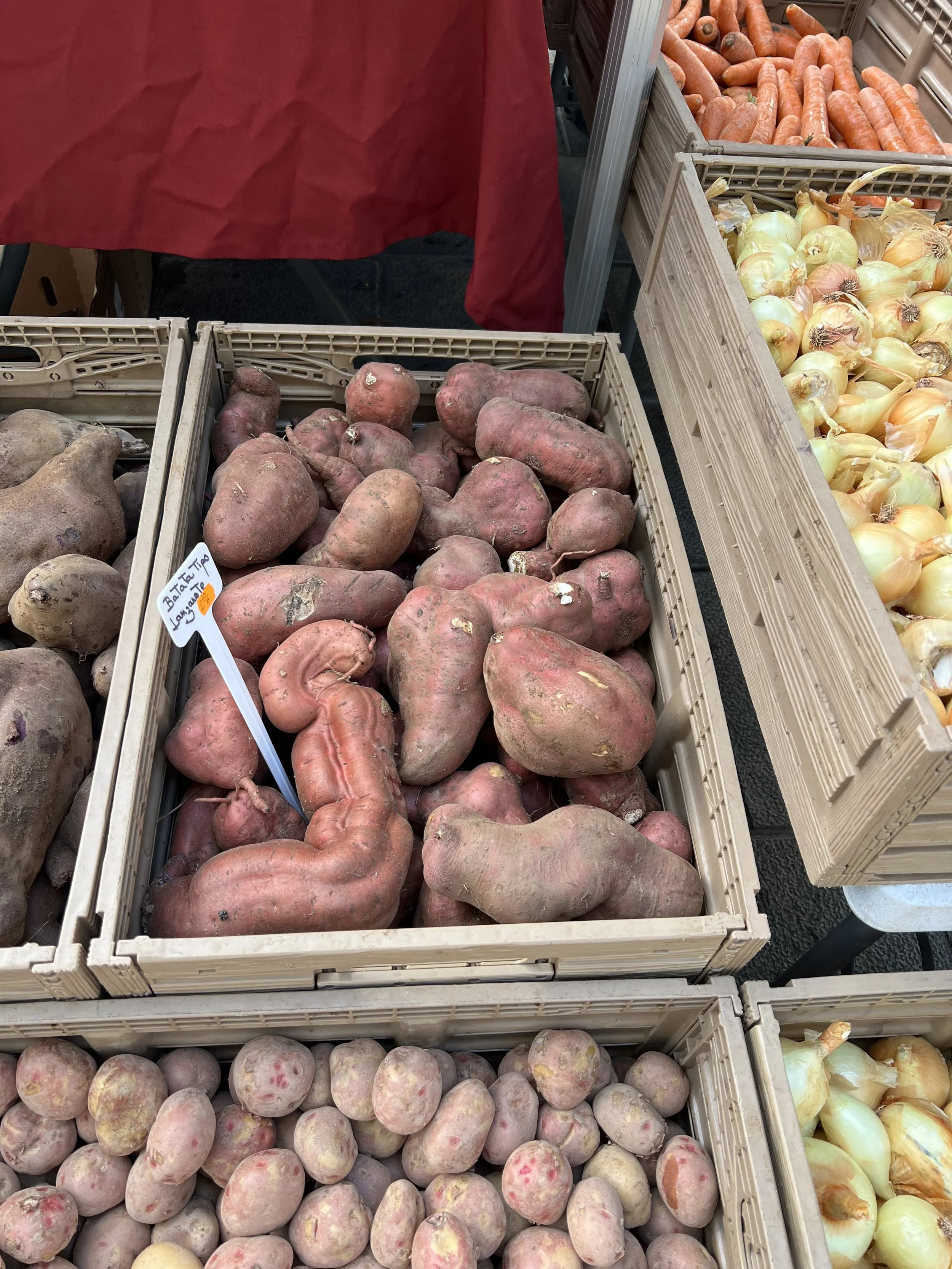
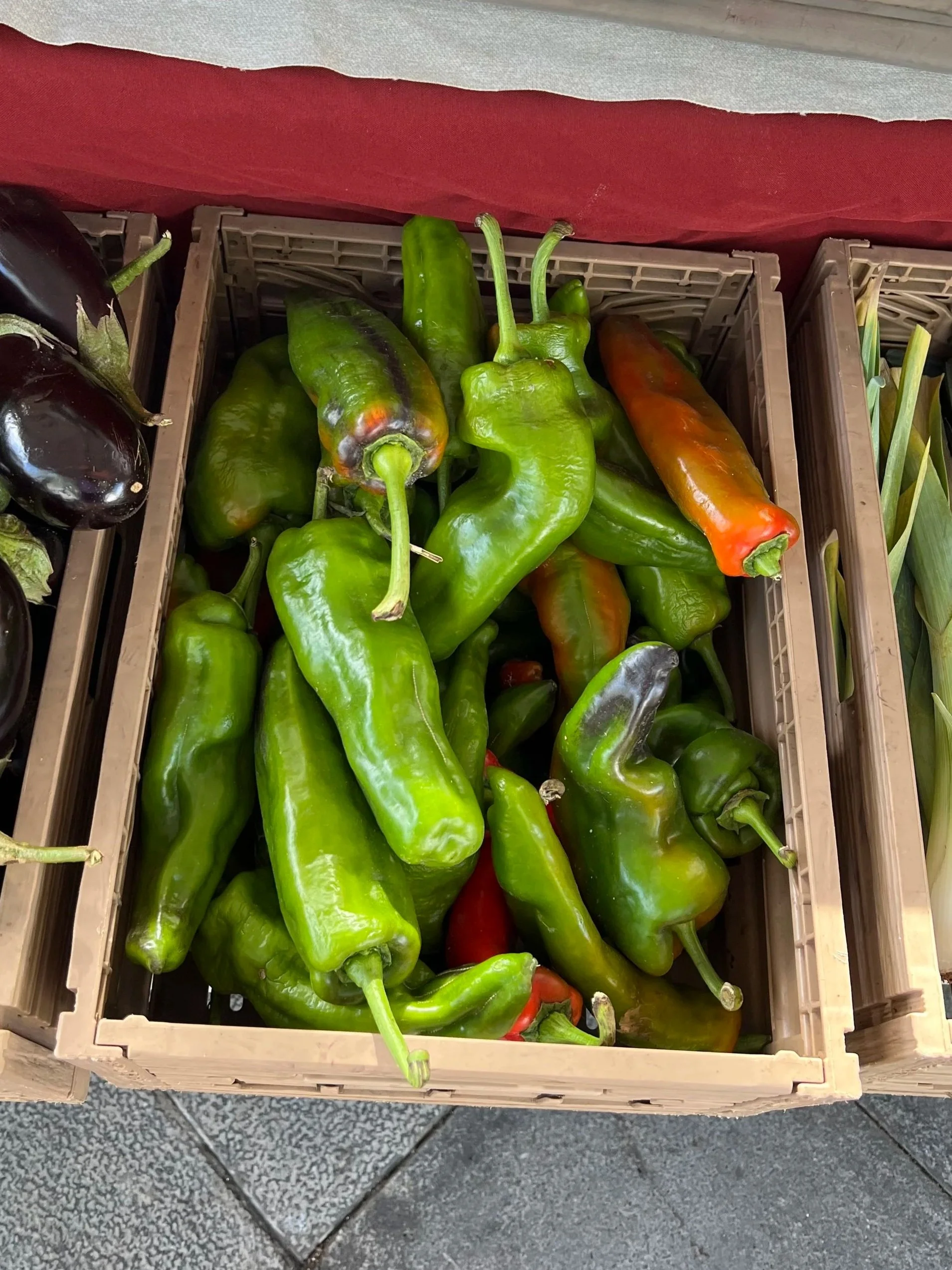
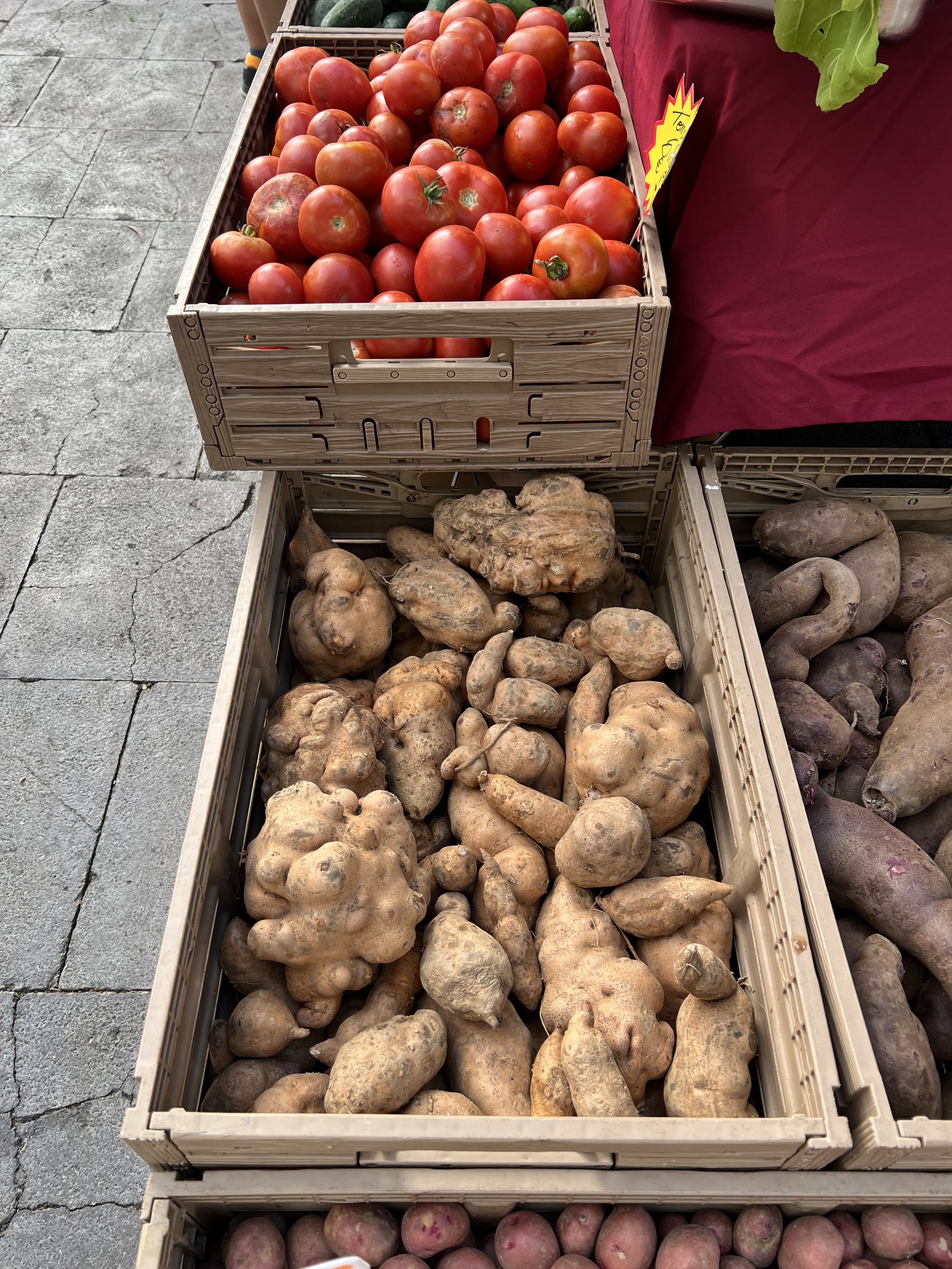
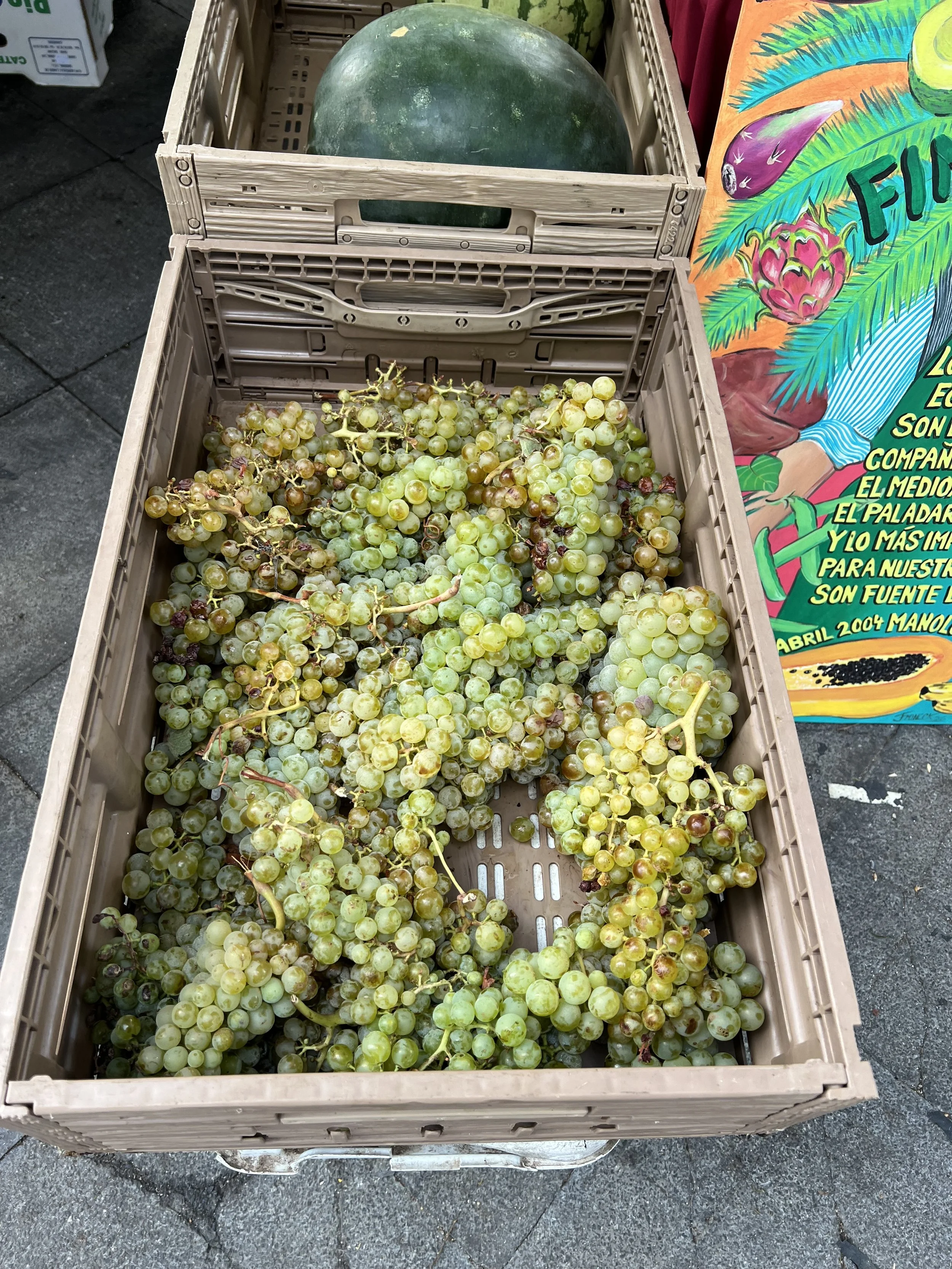
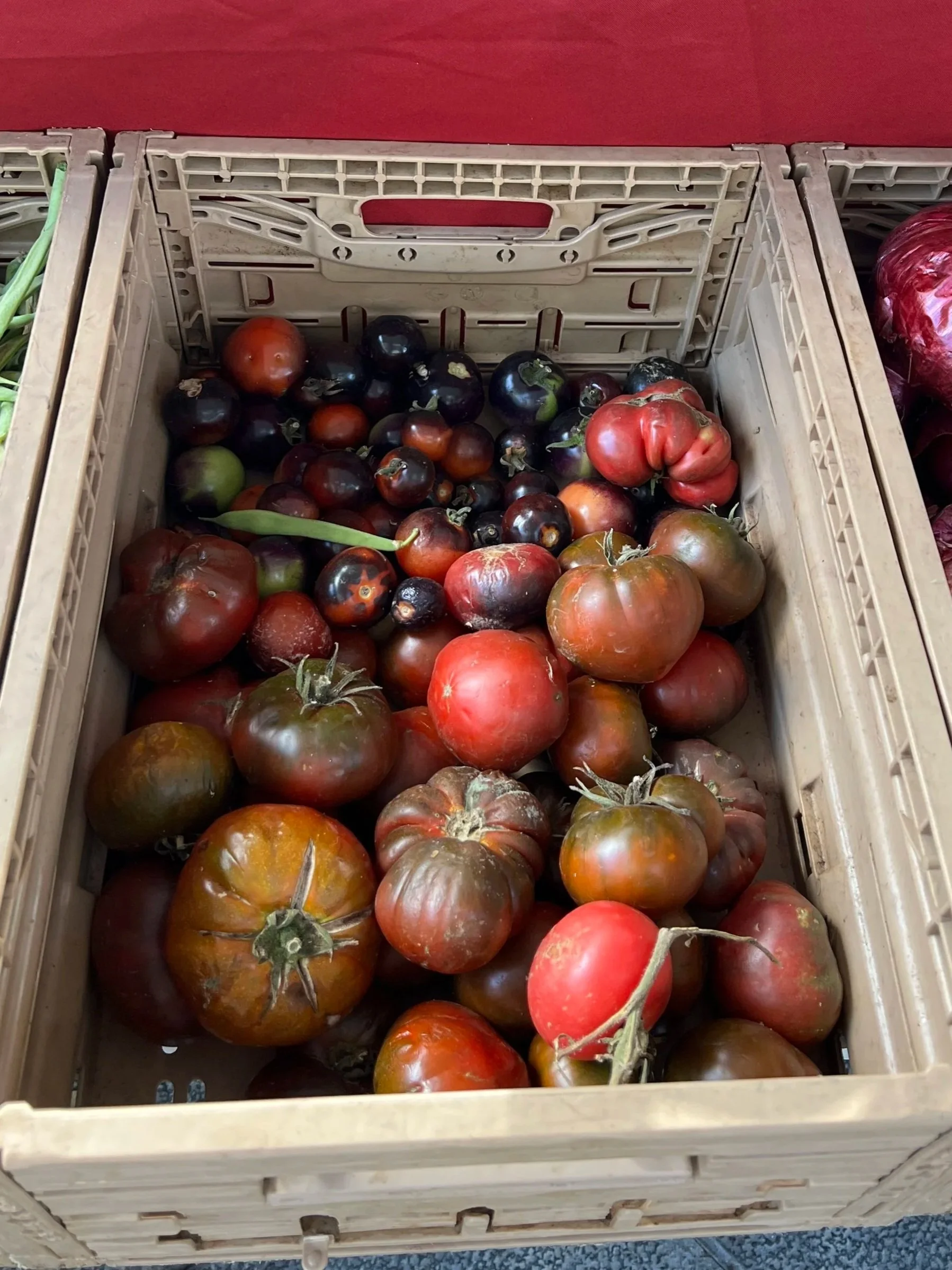
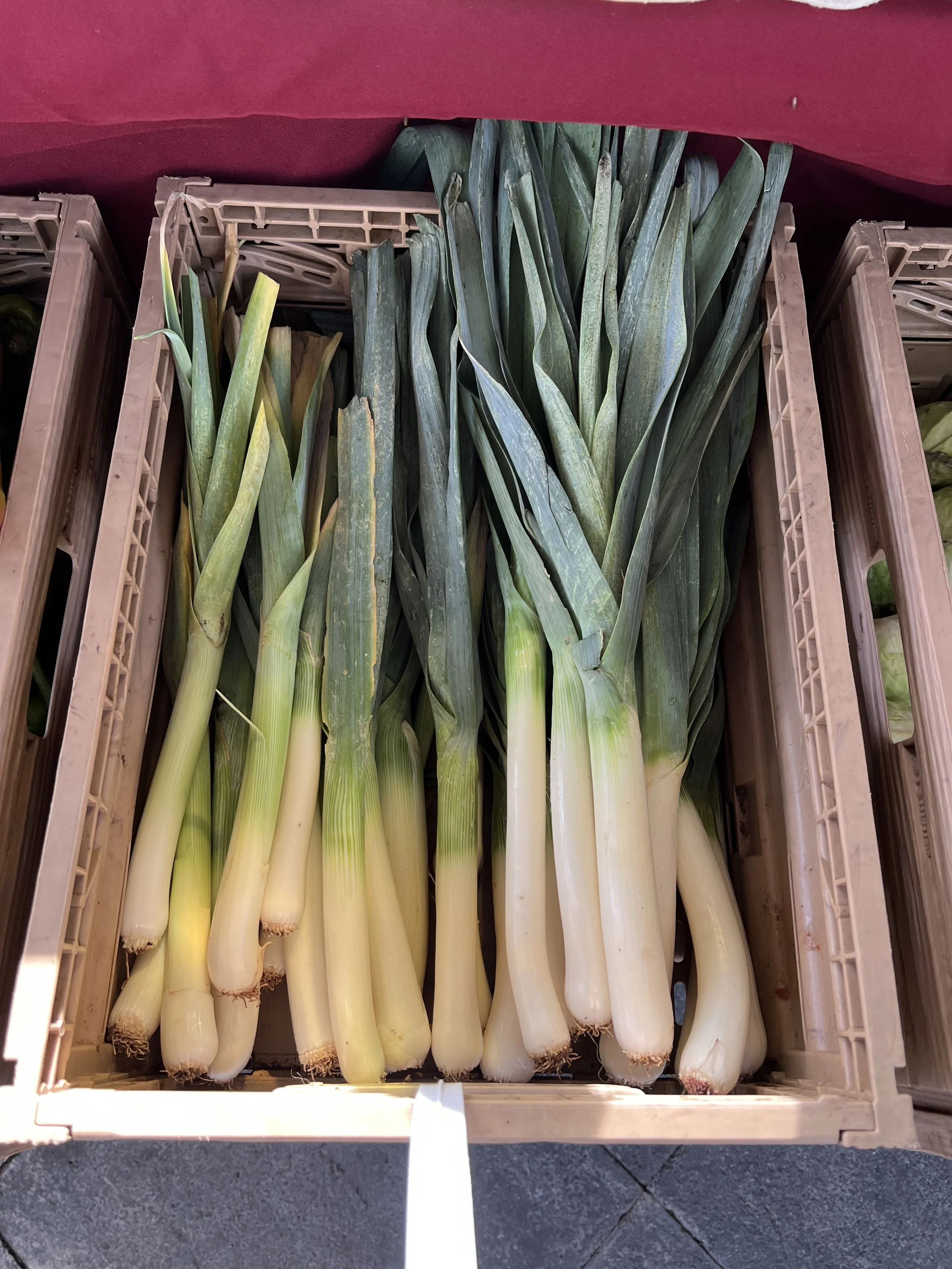
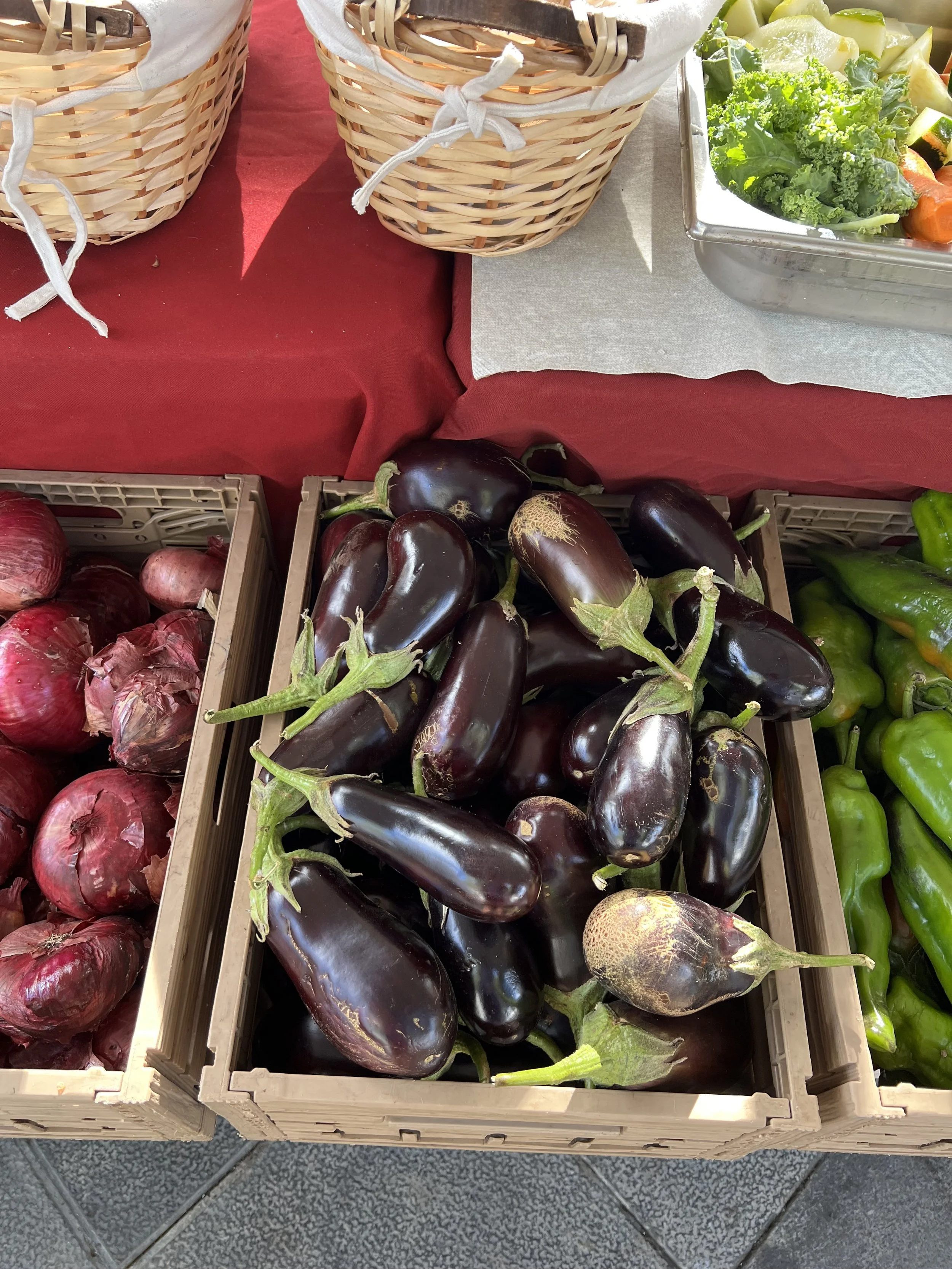
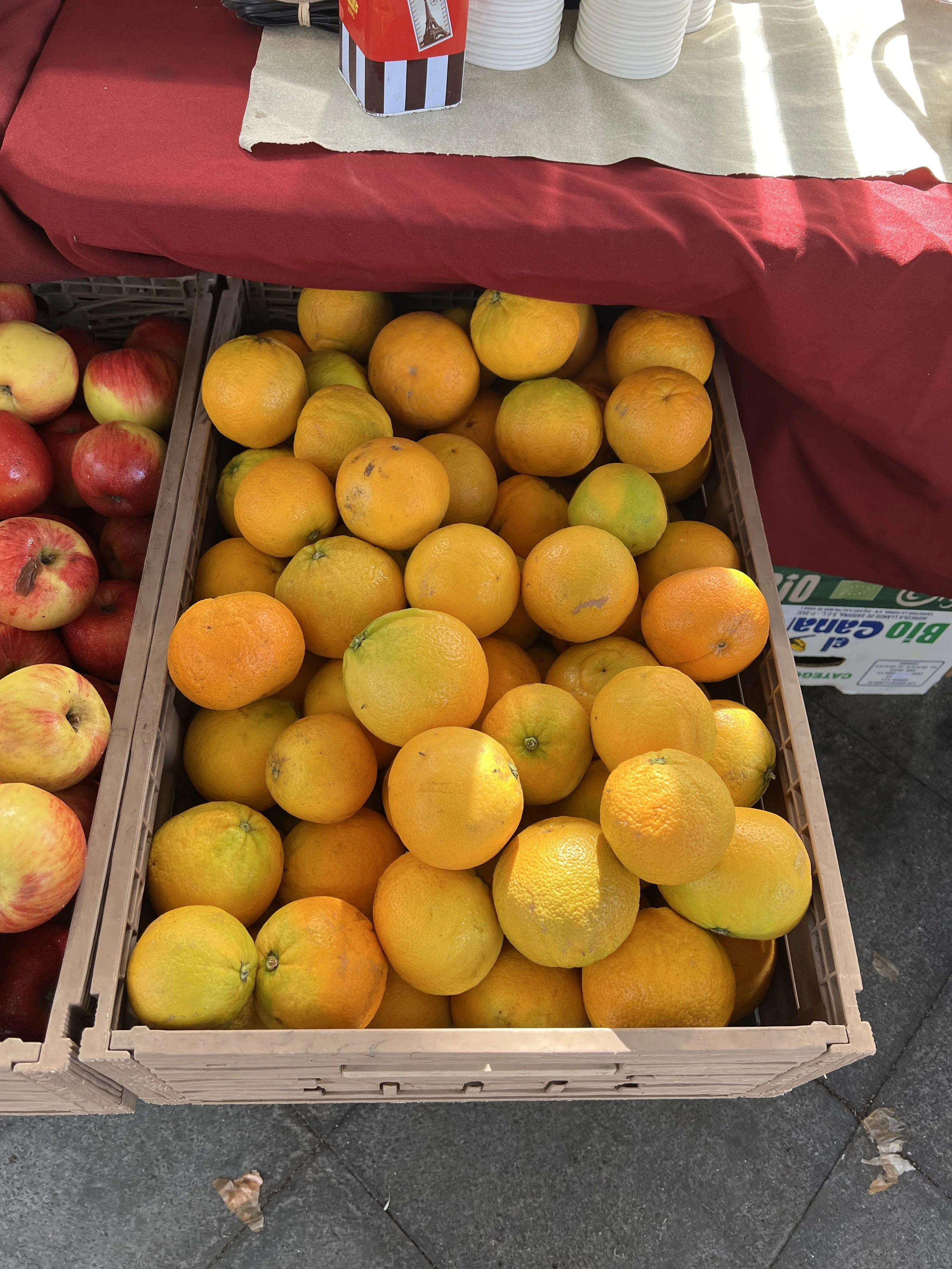
Yet every single one of them looked alive.
They had grown without being forced to become identical.
No polishing.
No perfect sizing.
No cosmetic standards.
Only the patience of the soil.
And then we tasted them.
The tomatoes were incredibly sweet. The potatoes had a depth of flavour we had almost forgotten existed.
Every bite made us ask the same question.
Can potatoes really taste like this?
Standing there, I realised something.
Perhaps we have spent so many years surrounded by manufactured perfection that we have forgotten what nature actually looks like.
Nature is asymmetrical.
Nature is unpredictable.
Nature never learned how to be perfect.
Fortunately.
When we first came to Lanzarote as tourists fifteen years ago, there was always something about this island we couldn't explain.
We kept coming back.
Then, three years ago, we made it our home.
And that feeling only became stronger.
Little by little, we began to understand what had been drawing us here all along.
We simply didn't have a name for it.
Until we came across a Japanese word.
Wabi-sabi.
Living on Lanzarote has taught us that this island asks something of you.
It asks you to slow down.
To look beyond the postcard views and the Instagram moments.
To notice a different kind of beauty.
One that doesn't compete for attention.
One that is weathered rather than polished.
Honest rather than perfect.
We believe this is the essence of Lanzarote.
Something you don't discover all at once.
Something you gradually learn to see.
As we continue exploring the island we now call home, we'll share the moments that help us understand it a little better.
And if, somewhere along the way, Otro Mundo helps you see Lanzarote a little differently, then it will have done exactly what we hoped it would.