

Planning 5–6 Days in Lanzarote? Here's Our Guide to the South
Volcanic Vineyards, Wild Atlantic Coastlines & Hidden Gems Beyond the Tourist Trail
There is a Lanzarote that almost everyone knows.
And then there is the Lanzarote we love.
The volcanoes of Timanfaya. The golden beaches of Papagayo. The famous viewpoints, organised excursions and places that appear in almost every travel guide.
And then there is the Lanzarote we love.
Little roads winding through volcanic vineyards. Fishing villages that become wonderfully quiet after the tour buses leave. Wild coastal paths where the Atlantic seems to stretch forever.
At Casitas Santa Rita, our two independent holiday homes in Guatiza, we often help guests plan their days exploring the island. Lanzarote is a relatively small island, and our location makes it an ideal base for discovering both the north and the south. You can spend the day exploring volcanic landscapes, hidden beaches or traditional villages, then return to the peace and quiet of your own little corner of Lanzarote.
This guide actually began as a personal itinerary we prepared for two guests spending six nights with us. Rather than simply sending them to the usual attractions, we wanted to share the places we genuinely love, the experiences we'd happily repeat and a few famous sights we don't necessarily consider essential.
If you're spending five or six days on Lanzarote, we'd recommend setting aside a full day to explore its extraordinary volcanic vineyards and wild western coastline.
This is how we'd do it.
La Geria — Where Wine Grows Out of Volcanic Ash
We never seem to tire of La Geria.
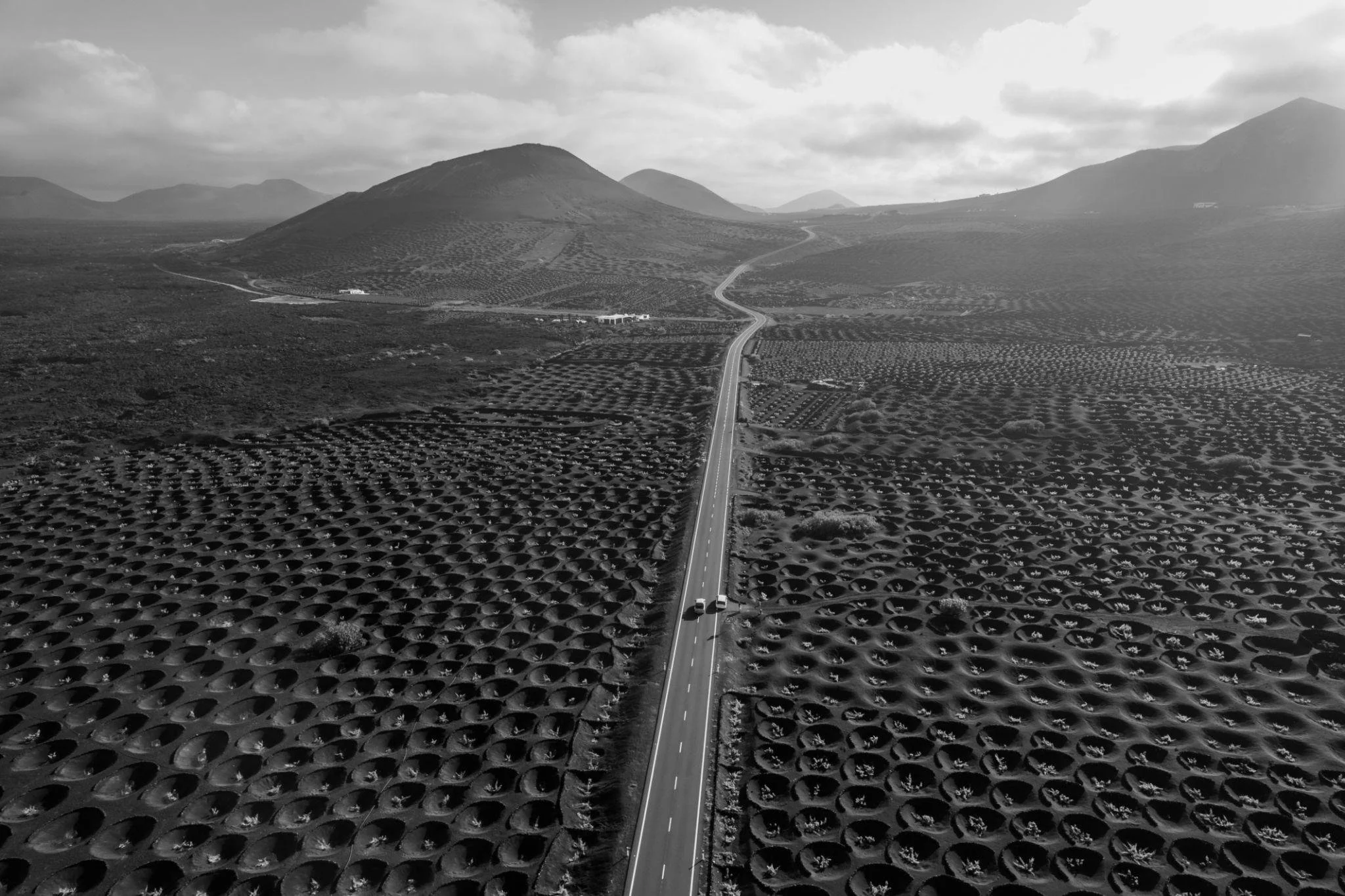
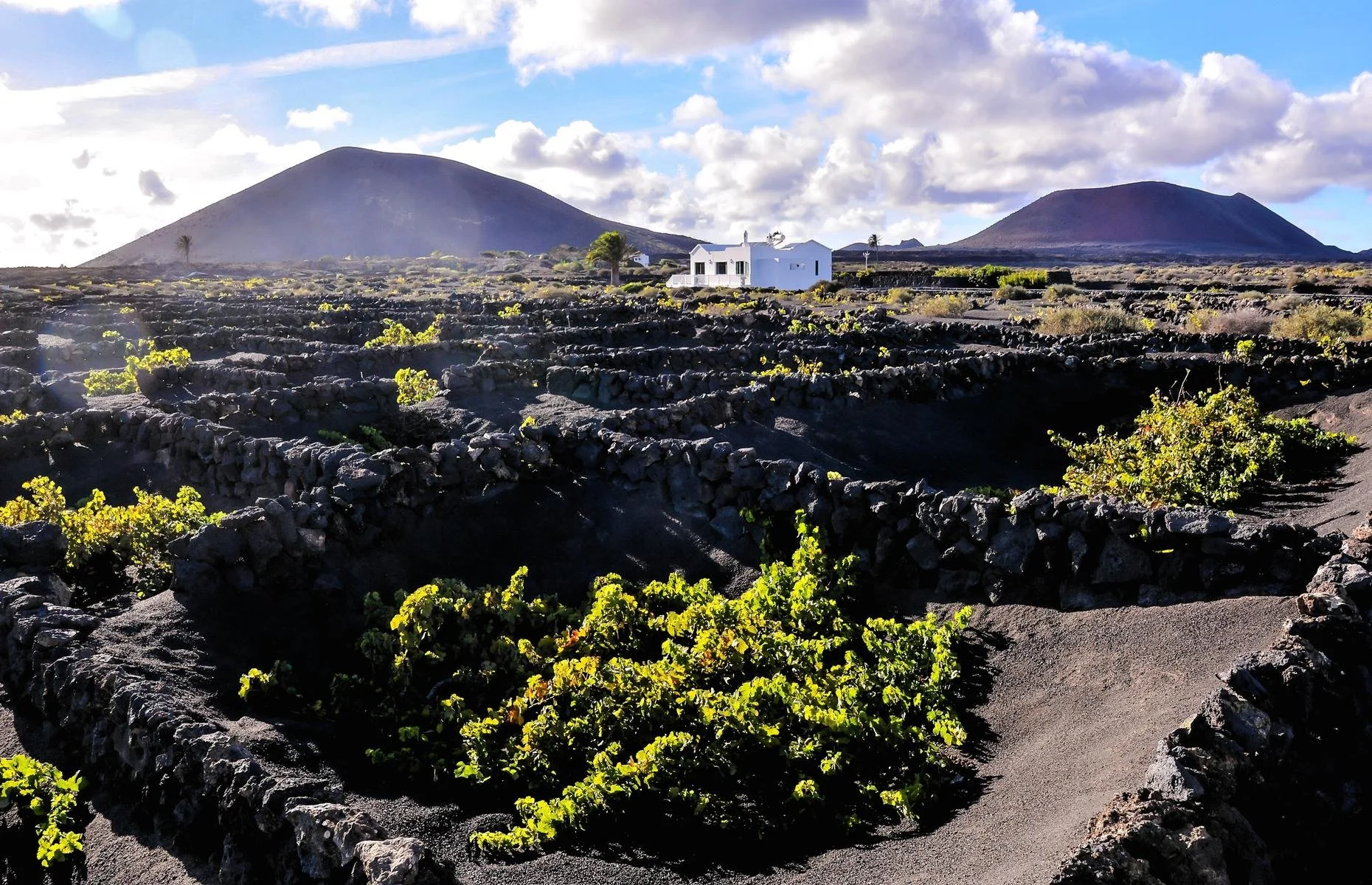
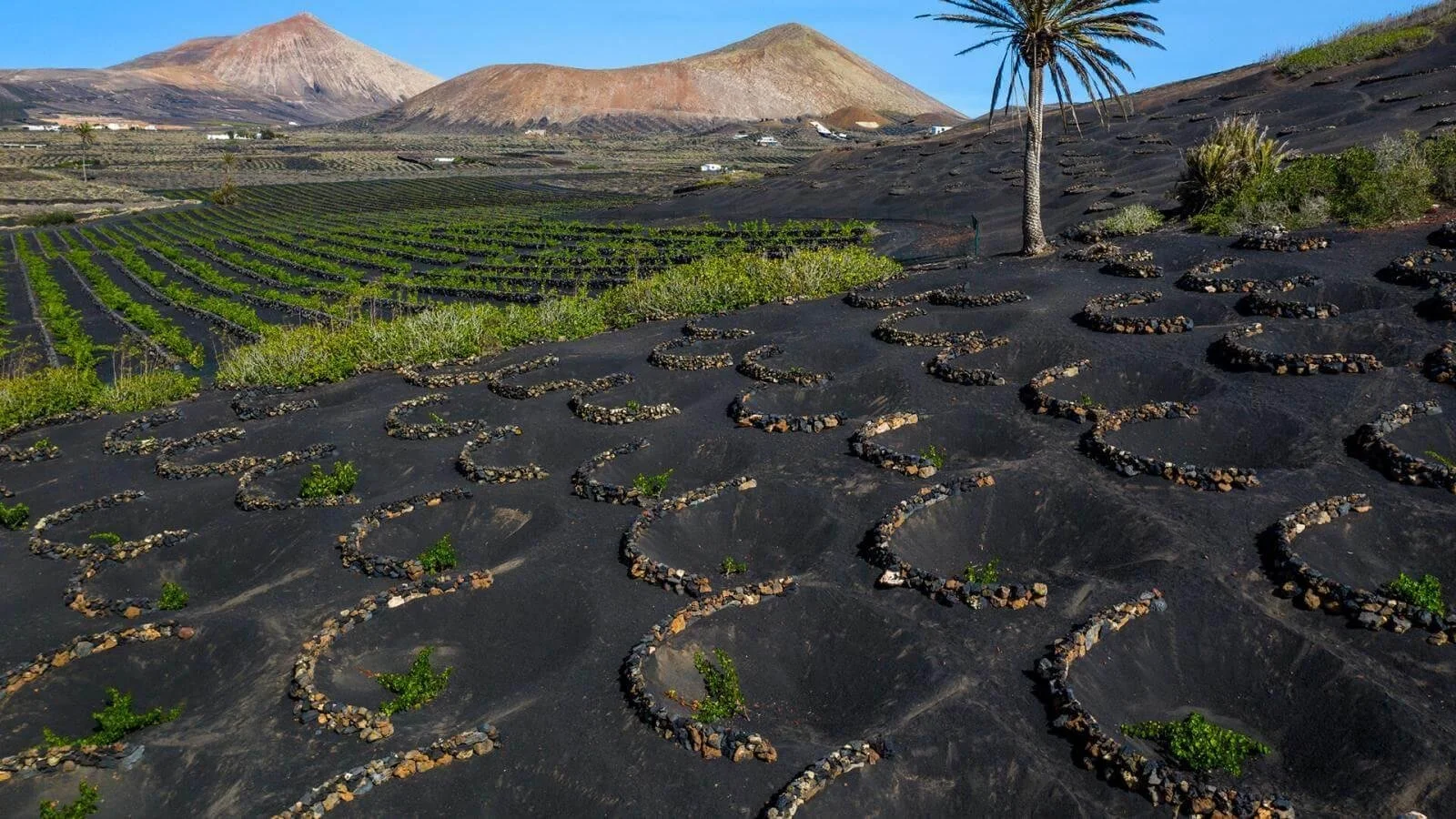
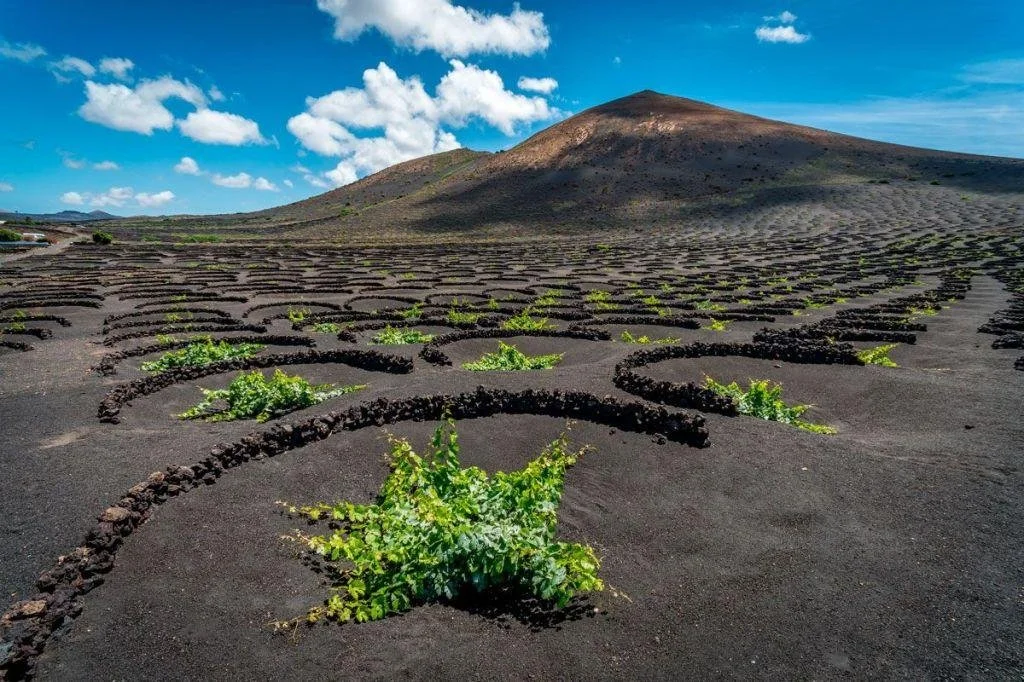
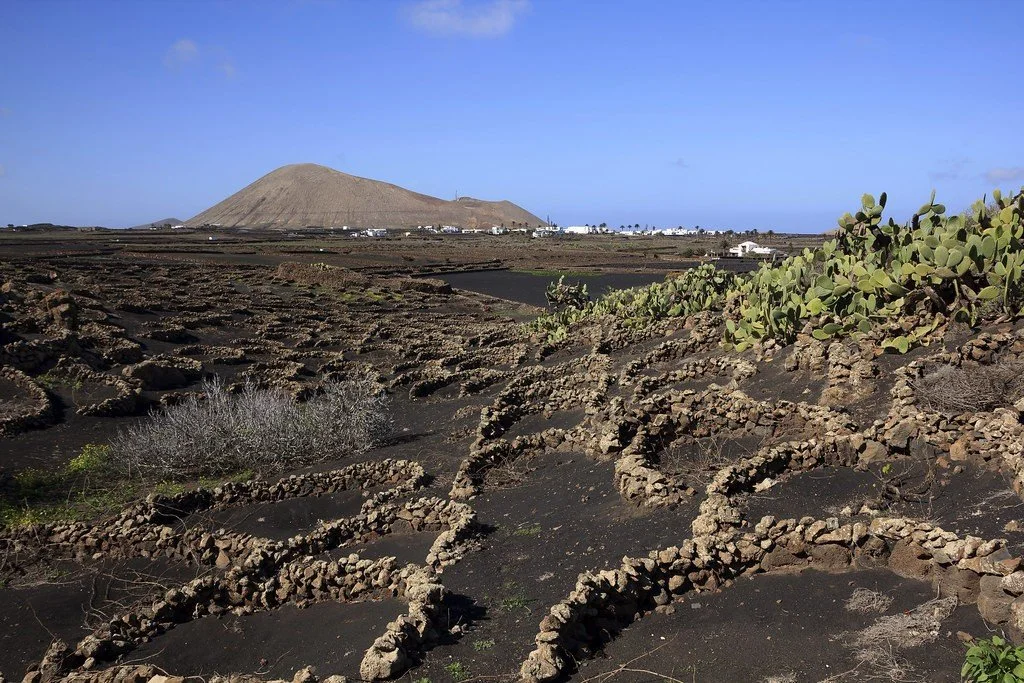
Thousands of vines grow in individual hollows dug into black volcanic ash, protected from the wind by semicircular walls of volcanic stone.
From a distance, the landscape resembles an enormous piece of abstract art.
But this isn't something created for tourists. It's the result of generations of islanders adapting to one of the most challenging agricultural environments imaginable.
And somehow, they managed to produce some rather wonderful wines.
The Road Everyone Takes — and the Roads We Prefer
You can certainly follow the LZ-30, the main scenic road through La Geria, with its famous wineries, viewpoints and spectacular volcanic vineyards. It's a beautiful drive and well worth experiencing.
But we'd encourage you to venture a little further.
Turn onto the smaller, paved public roads winding through the vineyards, little villages and scattered rural settlements. Take your time, explore without a strict route and discover the quieter side of this extraordinary landscape.
While the main road offers magnificent panoramic views, these little detours bring you closer to everyday life — traditional houses, small vineyards, volcanic stone walls and places where people have lived and worked for generations.
For us, that's the difference between driving through La Geria and truly discovering it.
Two Wineries Worth Discovering
El Grifo is one of the oldest wineries in the Canary Islands, and a fascinating place to understand how wine production developed on Lanzarote. If you enjoy discovering the history behind what you're drinking, it's well worth a visit.
Bodega Stratvs is somewhere we particularly enjoy stopping for a glass of wine and something to eat. The setting is beautiful, the atmosphere relaxed, and their exceptionally good jamón is one of the reasons we particularly love coming here.
Our advice? Don't treat La Geria as somewhere to drive through on the way to another attraction.
Take your time. Explore. Stop when something catches your eye.
Sometimes the most memorable part of the day is a little road you hadn't planned to take.
El Golfo — The Village We Love After the Tour Buses Leave
From La Geria, continue towards the wild western coastline.
The scenery changes dramatically. Black lava fields stretch towards the Atlantic, and the landscape feels almost otherworldly.
Eventually, you'll reach El Golfo, a small fishing village surrounded by volcanic rock and ocean.
Most visitors come to see the famous green lagoon.
And understandably so.
Charco de los Clicos — Yes, It's Worth Seeing
The emerald-green lagoon, also known as Lago Verde, sits inside an ancient volcanic crater, separated from the Atlantic by black volcanic sand.
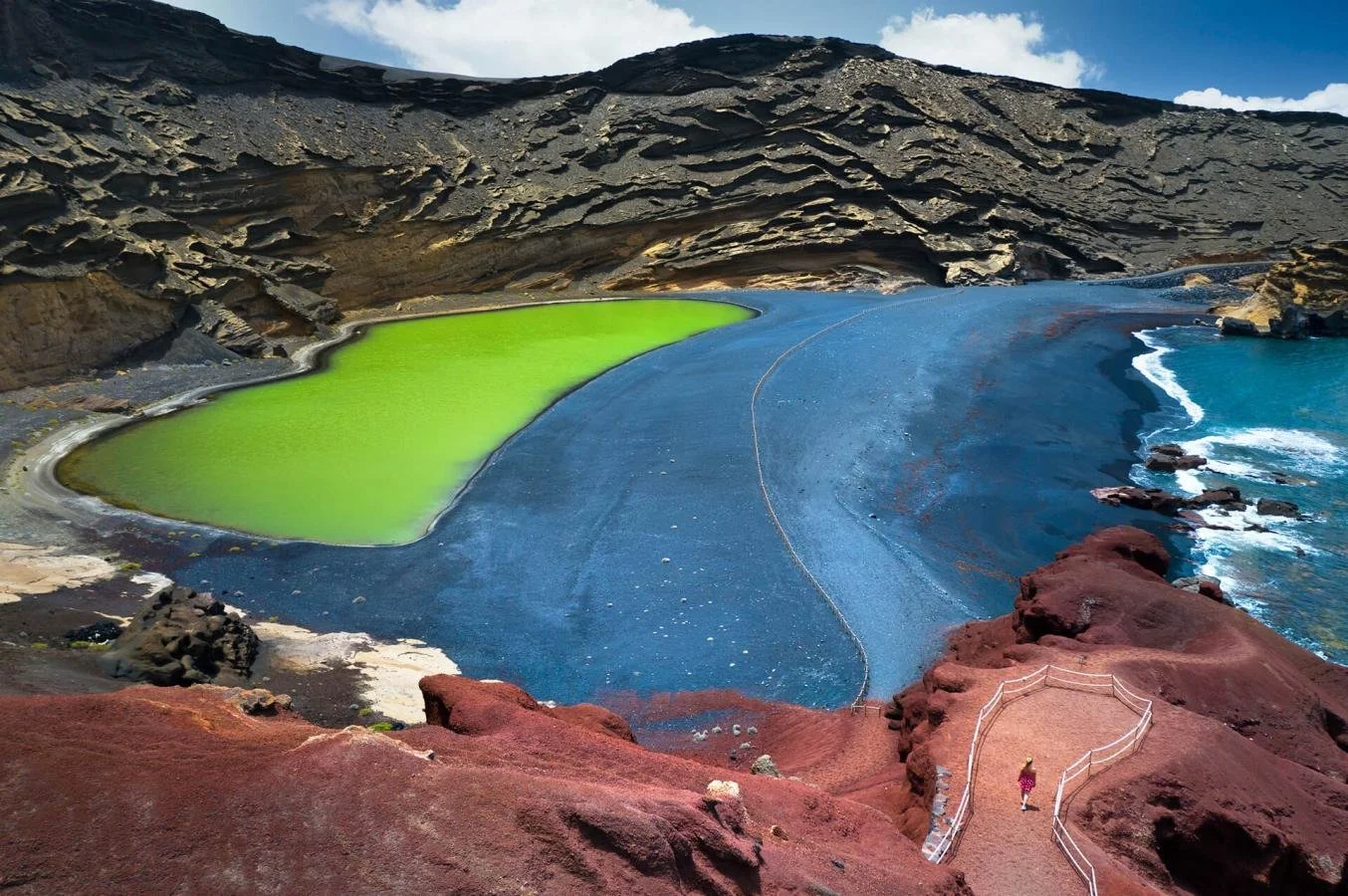
The contrast of green water, dark lava, reddish cliffs and blue ocean is extraordinary.
It's one of those places that really does look as remarkable as the photographs suggest.
But here's our personal opinion.
We don't particularly enjoy El Golfo when several tourist buses arrive at once and everyone gathers around the same viewpoint.
We much prefer it later in the afternoon.
The crowds begin to disappear, the light softens and the village returns to its quieter rhythm.
A Little Parking Tip
When you arrive in El Golfo, don't automatically stop at the first parking area.
Continue along the village road towards the children's playground, marked Parque Infantil, and park in the designated area nearby.
From there, explore the village on foot, walking back along the seafront.
We prefer this quieter end of El Golfo, including its restaurants, to the busier area near the entrance.
It's a lovely place to enjoy the Atlantic, perhaps with a glass of wine or a late lunch.
A Rocky Coastal Walk — One of Our Favourite Discoveries
Before leaving El Golfo, there's another little experience we'd love to share.
Take a walk along the rocky coastal path and discover a completely different side of the village.
The scenery is extraordinary. Black volcanic formations, rugged cliffs and the Atlantic stretching endlessly towards the horizon.
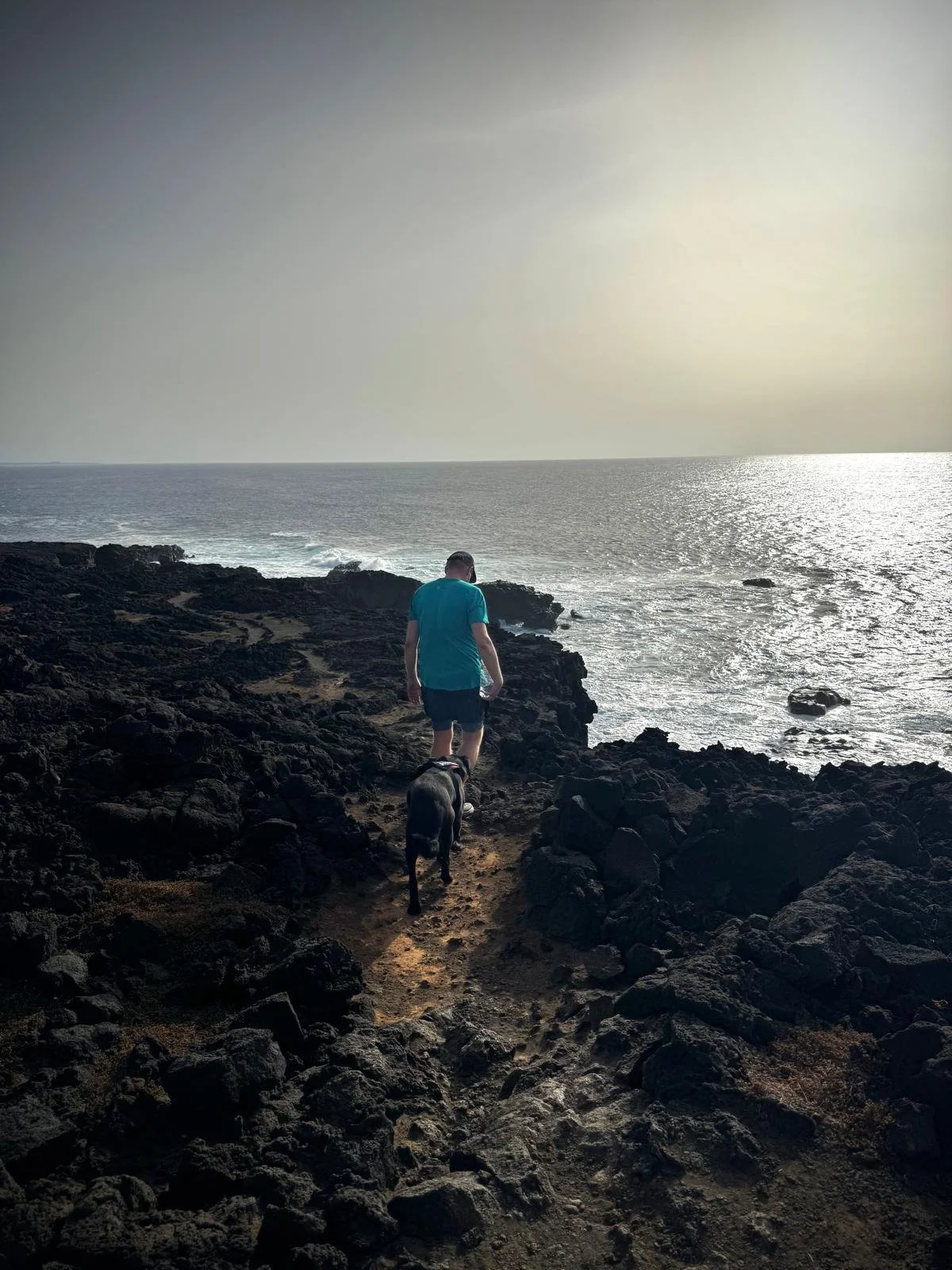
We discovered this walk relatively recently, and absolutely loved it.
You don't need a particular destination. Just follow the path for as long as you feel comfortable, stop to admire the views and turn back whenever you like.
It's the kind of place where the landscape itself is the attraction.
We strongly recommend wearing proper trekking shoes, as the path is rocky, uneven and sometimes challenging underfoot. Keep a safe distance from the cliff edges and always check the weather and trail conditions before setting off.
And if you have time, stay for the evening. There's something particularly beautiful about El Golfo when the day-trippers have gone and the Atlantic becomes the main attraction again.
Timanfaya — An Extraordinary Place, But Not Necessarily Our Favourite Experience
Now for something that might surprise you.
We haven't included the famous Timanfaya bus tour in our recommended route.
Not because we don't admire Timanfaya.
Quite the opposite.
The volcanic landscapes are extraordinary, and the eruptions that transformed this part of Lanzarote are a fascinating chapter in the island's history.
But personally, we find the conventional visitor experience rather restrictive.
You arrive, follow the organised arrangements and discover much of the protected volcanic landscape from a bus.
For some visitors, it's the highlight of their holiday.
And that's perfectly understandable.
But it's not quite how we prefer to explore Lanzarote.
We love being able to stop whenever a landscape catches our attention, take an unexpected turn, walk along a wild coastline or spend an extra hour somewhere simply because we feel like it.
That freedom is part of what makes travelling special to us.
Our Alternative — A Walk Through the Volcanic Landscape to Playa del Paso
If you'd rather experience Lanzarote's volcanic landscape on foot, here's something we'd wholeheartedly recommend.
On your way from Yaiza towards El Golfo, look out for a dirt track turning right shortly before you reach the village. It leads towards the volcanic landscape surrounding Playa del Paso.
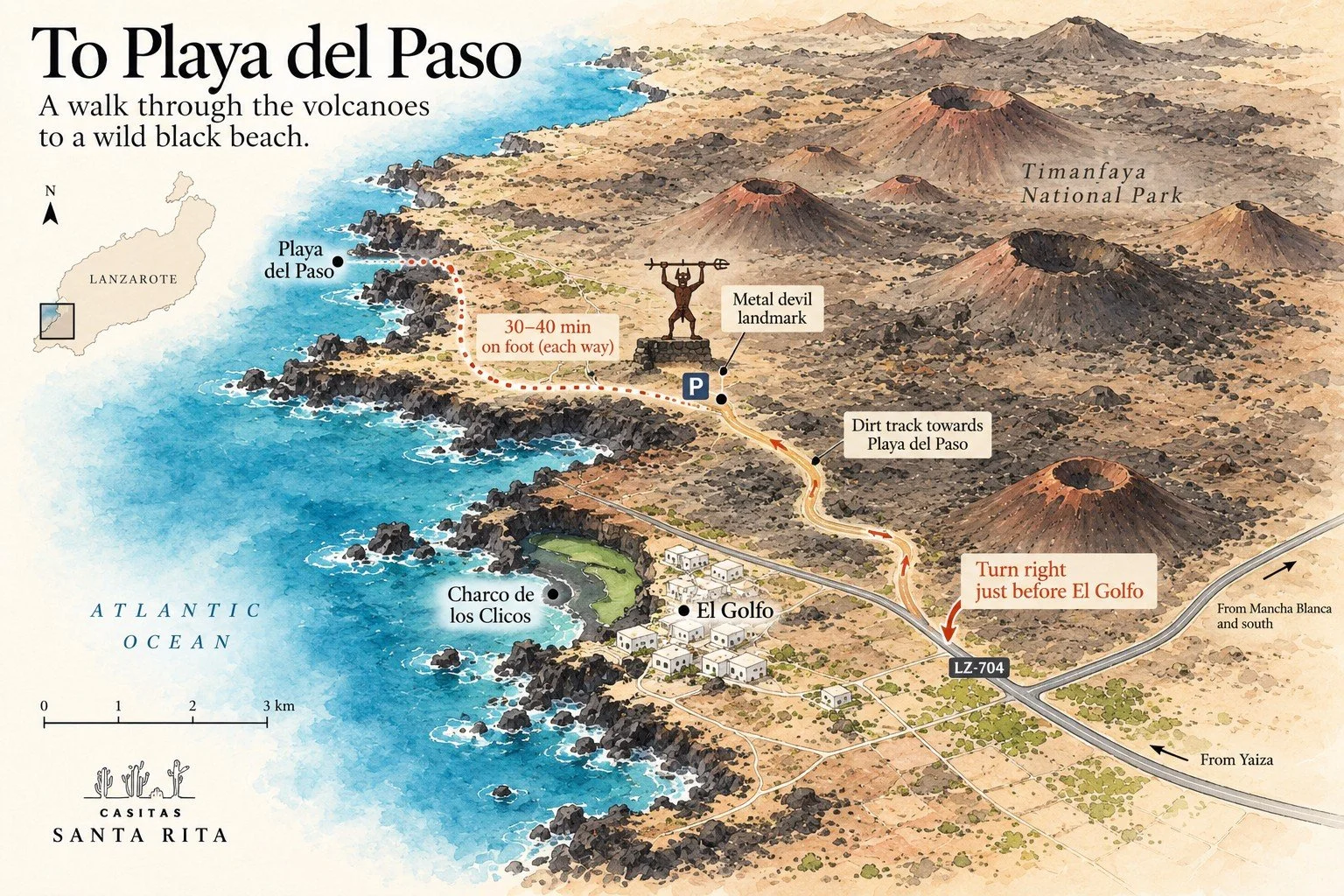
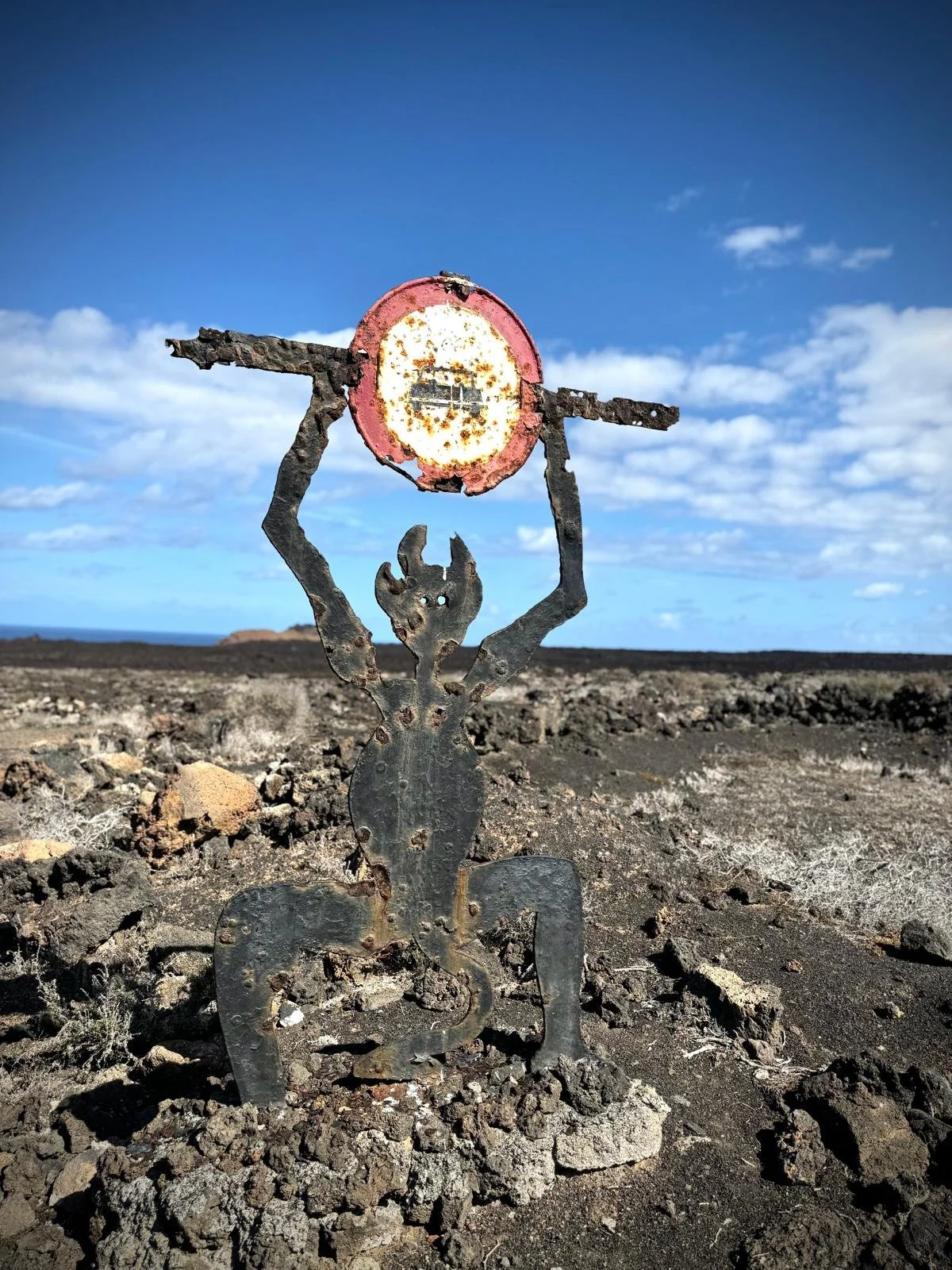
Along this route, you'll find a curious, weather-beaten metal devil standing among the lava fields — a wonderfully unusual landmark that we've photographed to help you recognise it.
Leave your car in a safe, permitted parking area near the trail access, respecting any restrictions on vehicle access, and continue on foot.
The walk to Playa del Paso takes approximately 30–40 minutes each way, through an extraordinary landscape of black lava, volcanic formations and rugged Atlantic coastline.
And then, almost unexpectedly, you arrive at a breathtaking black beach.
Wild, dramatic and astonishingly beautiful.
For us, this is one of those places that captures everything we love about Lanzarote.
No bus windows. No organised excursion. No fixed timetable.
Just you, the volcanic landscape and the Atlantic.
We strongly recommend proper trekking shoes for this walk, as the volcanic terrain is rocky and uneven. Bring water, check the trail and weather conditions before setting off, and keep a safe distance from exposed edges. This is a beach to admire rather than somewhere we'd recommend swimming.
Would we choose this over the traditional Timanfaya bus tour? Absolutely.
Not because Timanfaya isn't extraordinary, but because this is how we prefer to experience Lanzarote — discovering its landscapes rather than simply looking at them.
Would We Tell You to Skip Timanfaya?
Not automatically.
If you're passionate about geology, volcanoes or the island's history, you may find it absolutely fascinating.
But if you have only five or six days on Lanzarote, and you prefer independent exploration, we wouldn't consider the organised bus tour essential.
And we certainly wouldn't recommend trying to squeeze every famous attraction into a single exhausting day.
Choose what genuinely interests you.
After all, you're on holiday, not taking part in a sightseeing competition.
Papagayo — Beautiful Beaches, But Are They Worth the Journey?
Another place that appears in almost every Lanzarote guide is Papagayo.
And yes, the beaches are beautiful.
Golden sand, turquoise water and sheltered coves create some of the island's most photographed coastal scenery.
If you're staying in Playa Blanca or already exploring the far south, they're certainly worth considering.
But here's the question we'd ask our guests staying in Guatiza.
Do you really want to spend a significant part of your day driving to a beach simply because it's famous?
Northern Lanzarote has some extraordinary beaches of its own.
They're often wilder, more dramatic and less developed.
And personally, we find many of them just as memorable.
We're not suggesting Papagayo isn't worth visiting.
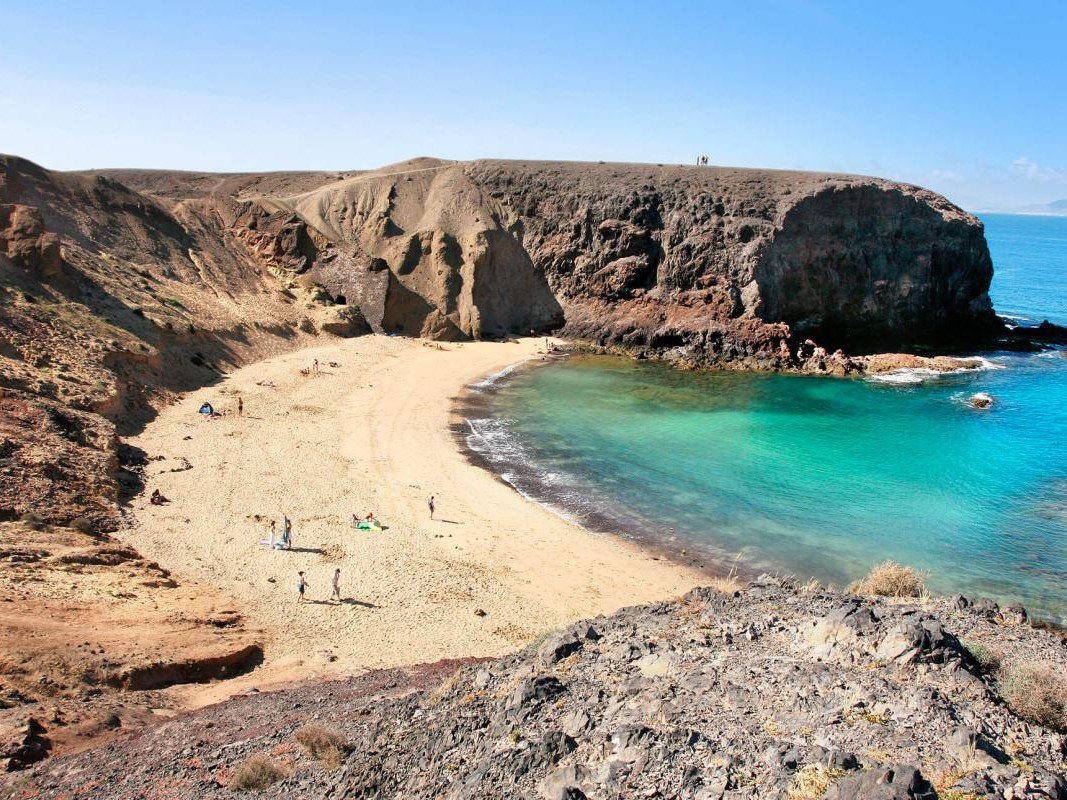
We're simply saying that a famous place isn't automatically a place you must see.
If you love sheltered coves and golden sand, go.
If you prefer dramatic coastlines, quiet villages and places that feel a little more remote, you might find that northern Lanzarote suits you better.
We'll share some of our favourite northern beaches in Part Two.
Our Suggested Day in Southern Lanzarote
Here's how we'd combine some of these experiences into one memorable day.
Morning — La Geria
Explore the volcanic vineyards, including some of the smaller paved roads away from the main scenic route. Visit El Grifo if you're interested in the island's winemaking history.
Late morning or early afternoon — Bodega Stratvs
Stop for a glass of local wine and something delicious to eat. And don't miss their exceptionally good jamón — it's one of the reasons we particularly love coming here.
Afternoon — Charco de los Clicos and El Golfo
Visit the famous green lagoon, then continue into El Golfo and park near Parque Infantil.
Late afternoon — A Rocky Coastal Walk
Explore the rugged coastal path near El Golfo, taking your time to admire the volcanic formations and Atlantic views. Wear proper trekking shoes and turn back whenever you feel ready.
Early evening — Dinner Beside the Atlantic
Finish with a relaxed meal overlooking the ocean before returning to your accommodation.
Prefer Walking Through the Volcanoes?
If the Playa del Paso walk appeals to you more than visiting wineries or spending a long afternoon in El Golfo, make it the centrepiece of your day instead.
Allow around 60–80 minutes for the walk itself, plus time to admire the beach and volcanic scenery.
We wouldn't try to fit absolutely everything into the same day.
It's much better to enjoy three memorable experiences than rush through six.
A Few Things We'd Keep in Mind
A rental car makes this itinerary much easier, particularly if you want to explore the smaller roads around La Geria.
Book winery tours and tastings in advance when necessary.
Bring proper trekking shoes if you're planning either of the coastal walks. Lanzarote's volcanic terrain can be sharp, rocky and uneven, and ordinary sandals or flip-flops are not suitable.
Always check the weather and trail conditions before setting off.
Keep an eye on sunset times, especially in winter, when there's less daylight for an unhurried afternoon in El Golfo.
And please respect the island's fragile landscape. Stay on public roads and permitted paths, and never drive across volcanic terrain or enter private vineyards without permission.
Above all, resist the temptation to turn your holiday into a race between attractions.
The Lanzarote We Love Most
When we first discovered Lanzarote, we were fascinated by its volcanoes, its extraordinary colours and its landscapes unlike anywhere else we'd visited.
We still are.
But after spending more time here, we've come to realise that the island's real magic often lies somewhere between the famous attractions.
On a little road through La Geria.
In a fishing village after the crowds have gone.
On a rocky coastal path overlooking the Atlantic.
Or on a volcanic trail leading towards a spectacular black beach.
Perhaps over a glass of wine, when a quick stop turns into a long, unplanned afternoon.
Those are the experiences we love sharing with our guests at Casitas Santa Rita.
Not because we think our way is the only way to discover Lanzarote.
But because it's the Lanzarote we've come to know and love.
And perhaps, somewhere along the way, you'll find your own favourite corner of the island.
Coming next: Part Two — Our Guide to Northern Lanzarote.
We'll take you to La Graciosa, hidden beaches, authentic villages and some extraordinary creations by César Manrique. We'll also explain why, despite our admiration for his work, we don't necessarily recommend visiting his former homes.
Because sometimes, what we choose not to visit says just as much about the way we travel as the places we love.